
In 2022, Google Cloud launched a new brand system called Cloudstyle.
The Situation:
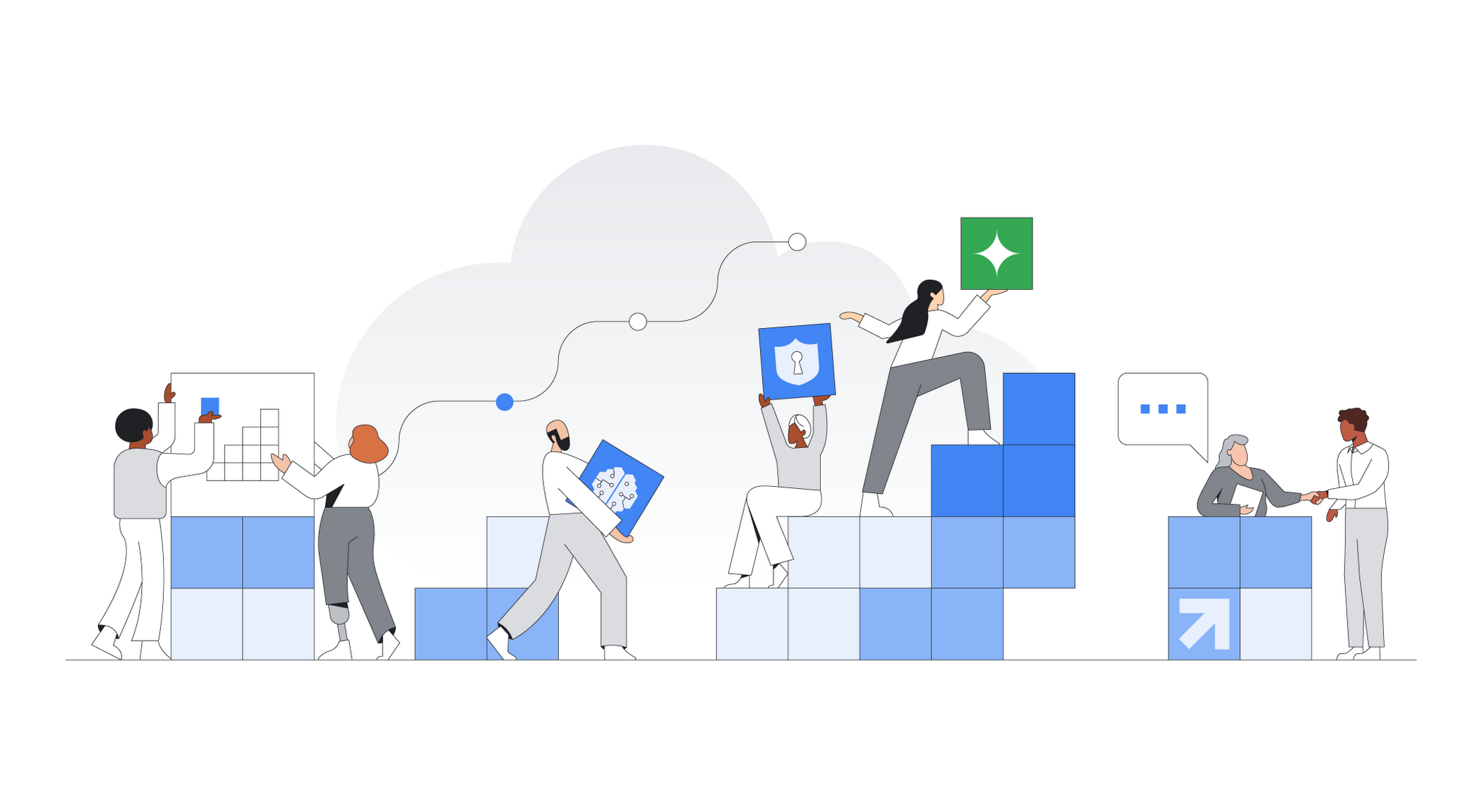
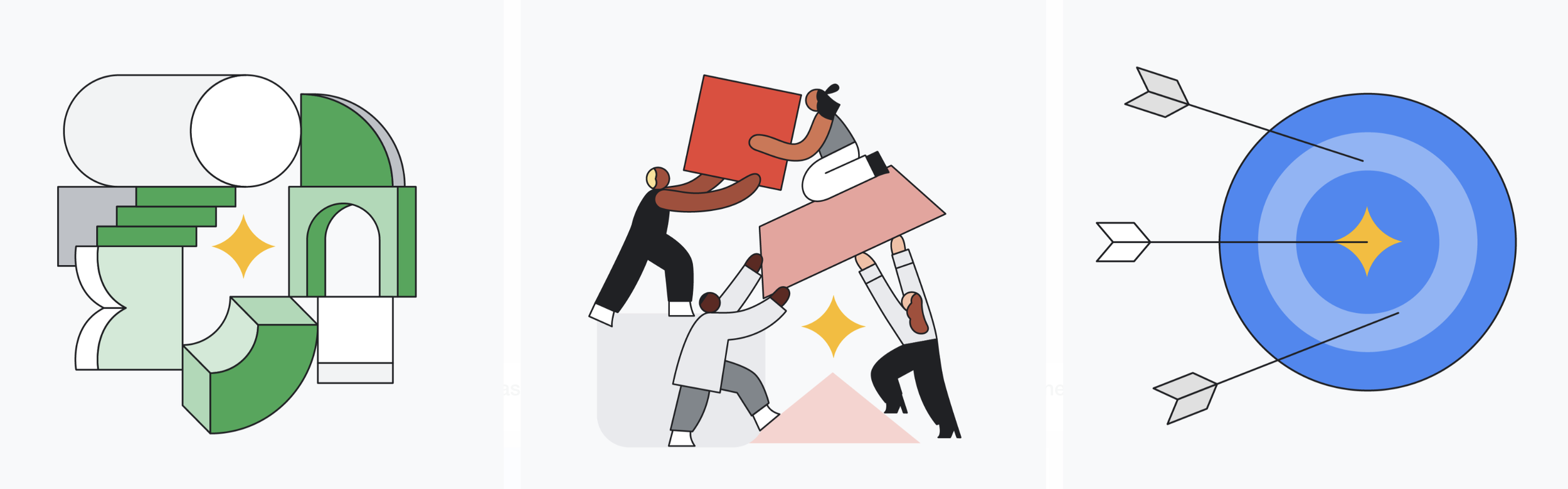
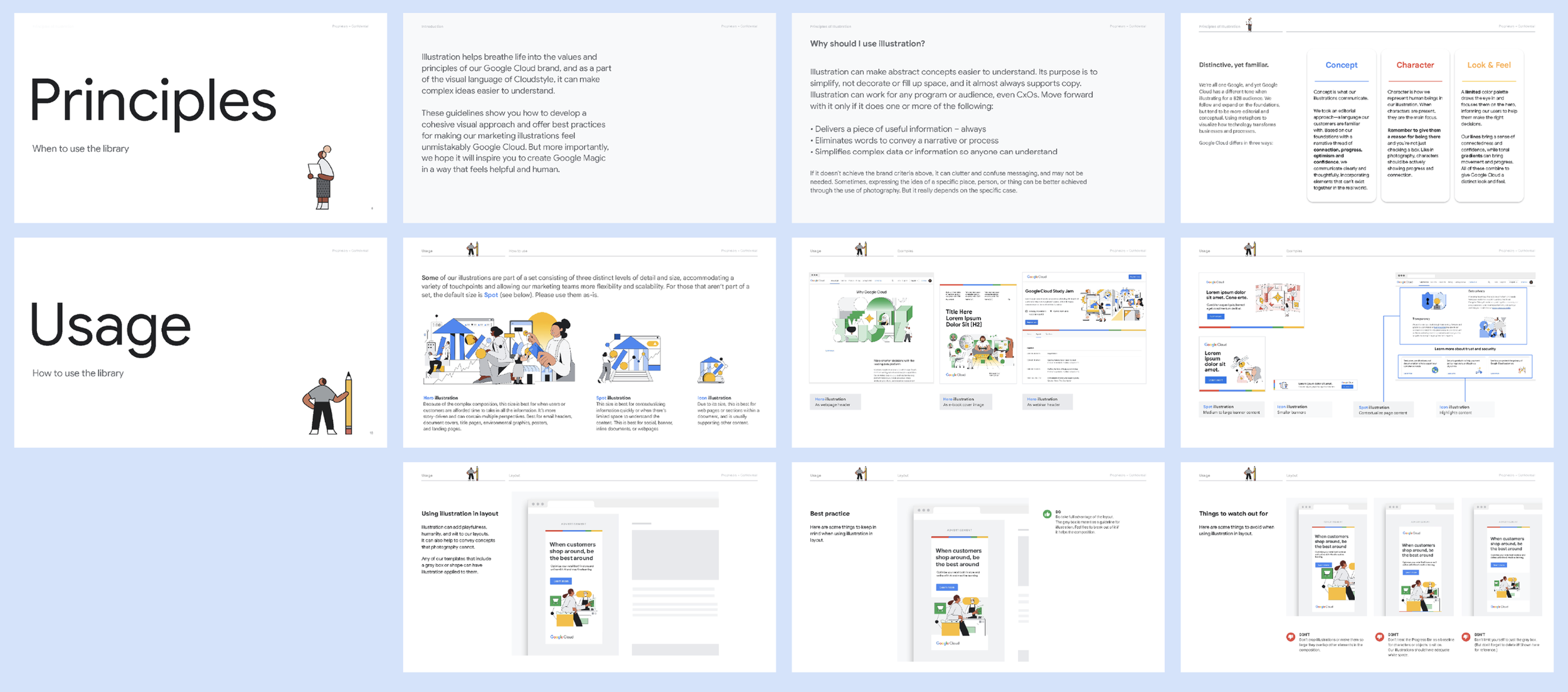
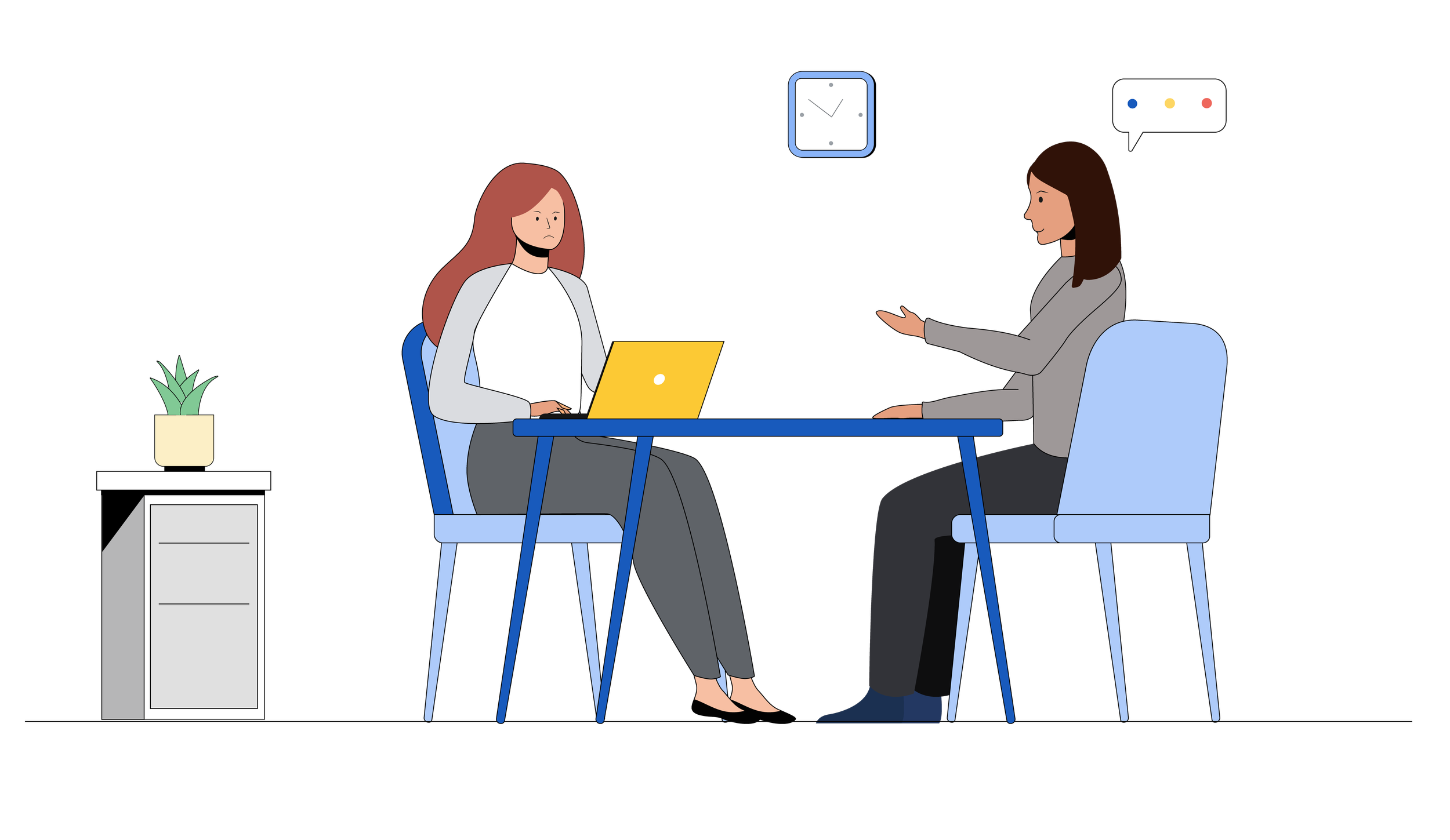
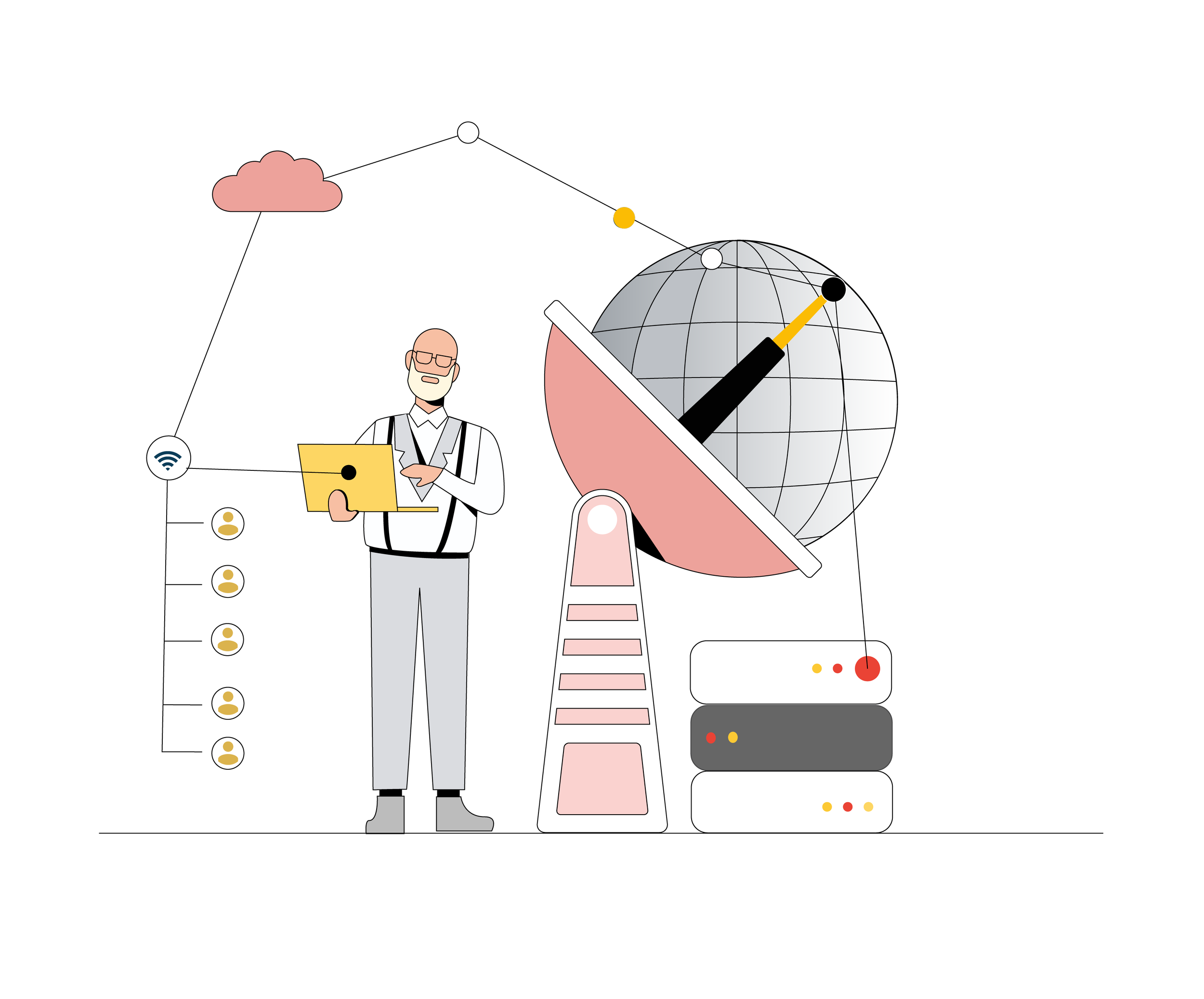
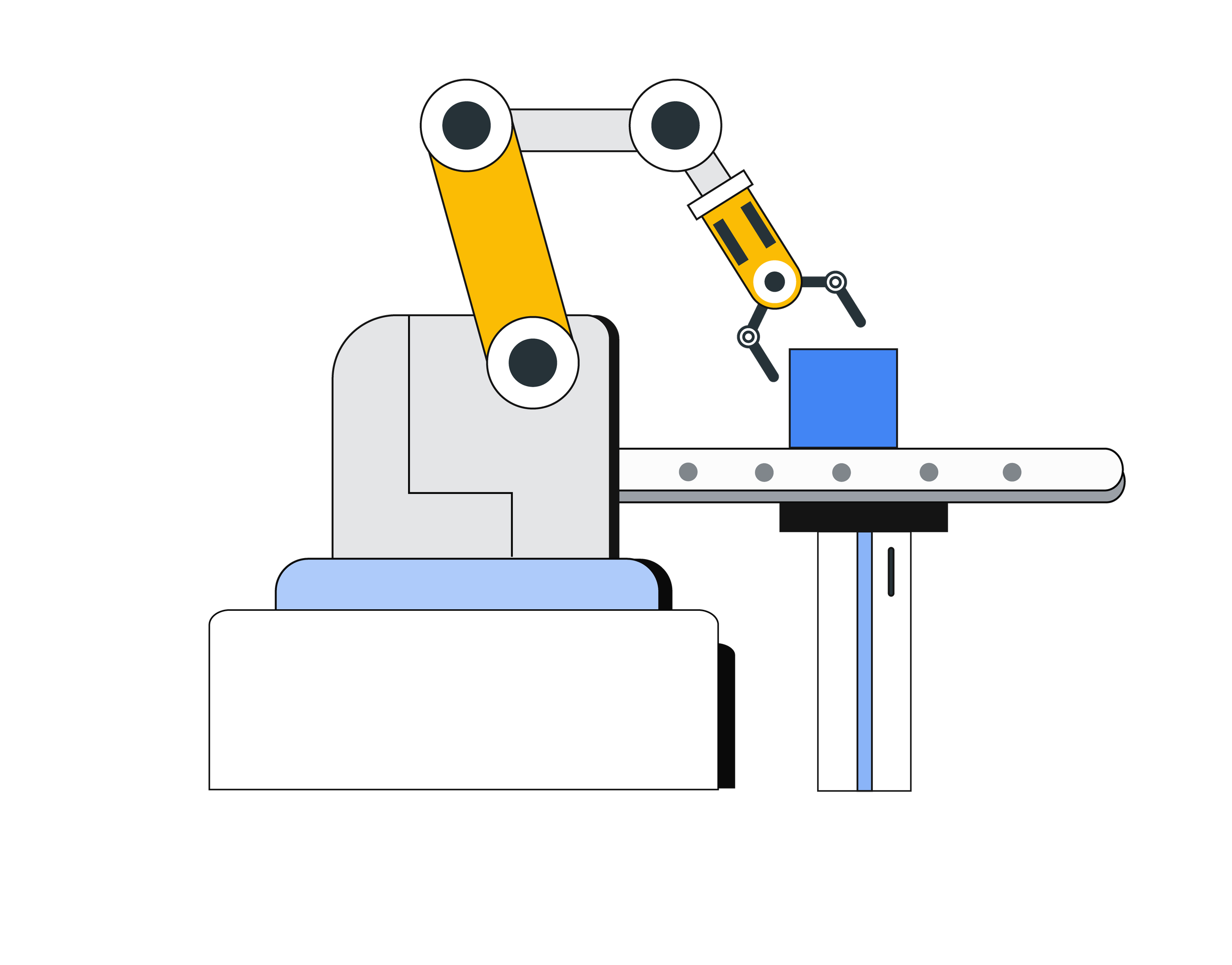
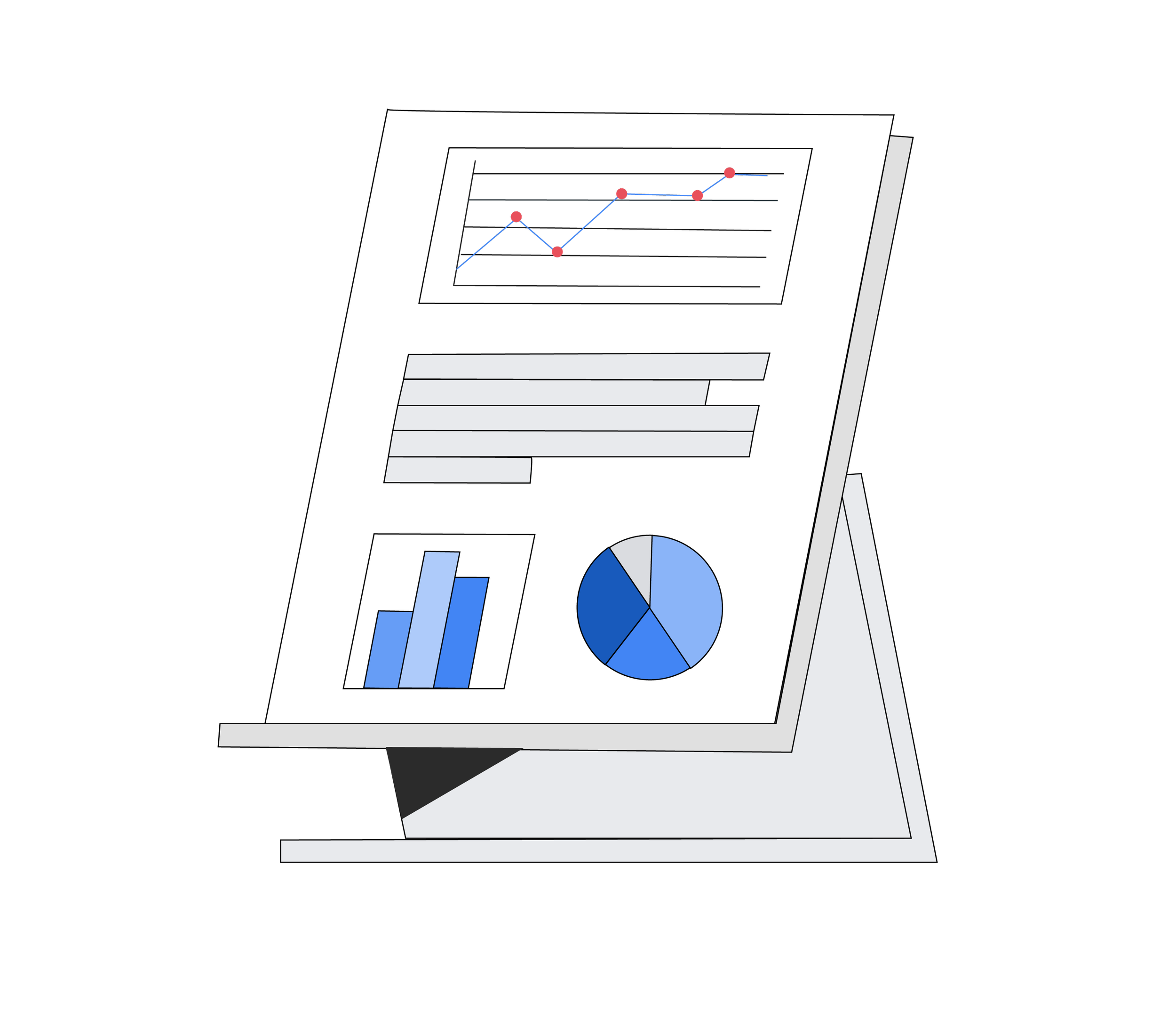
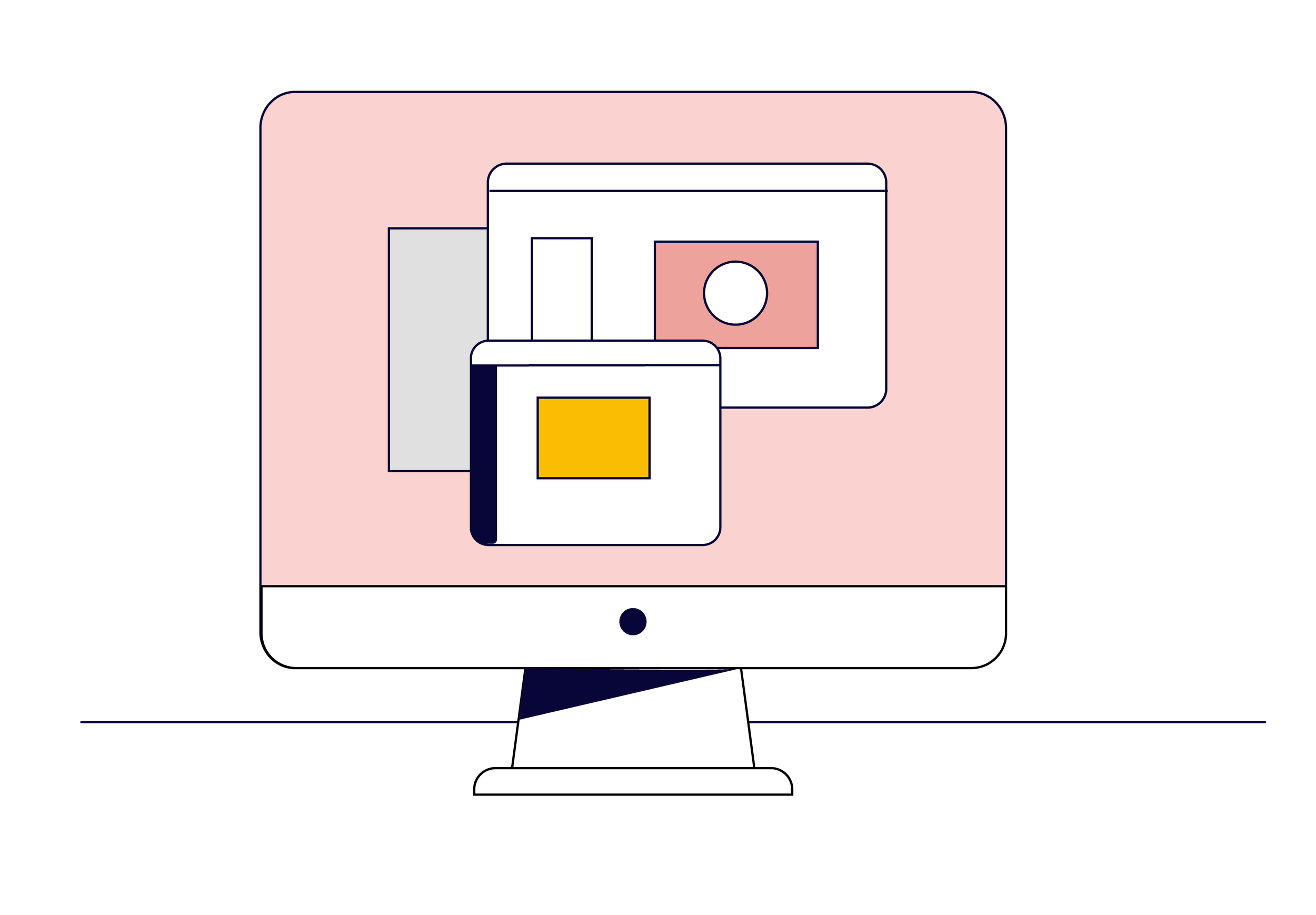
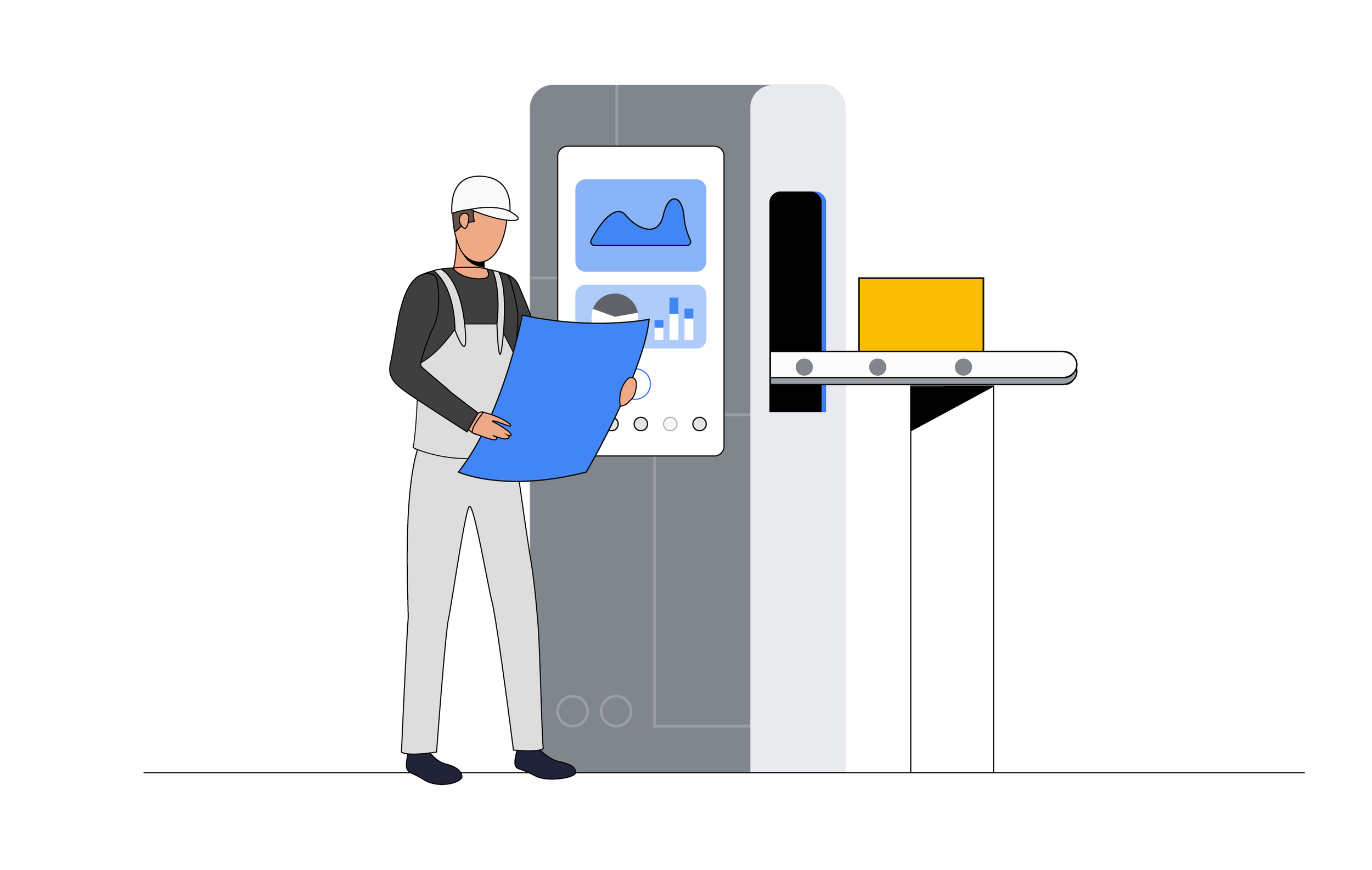
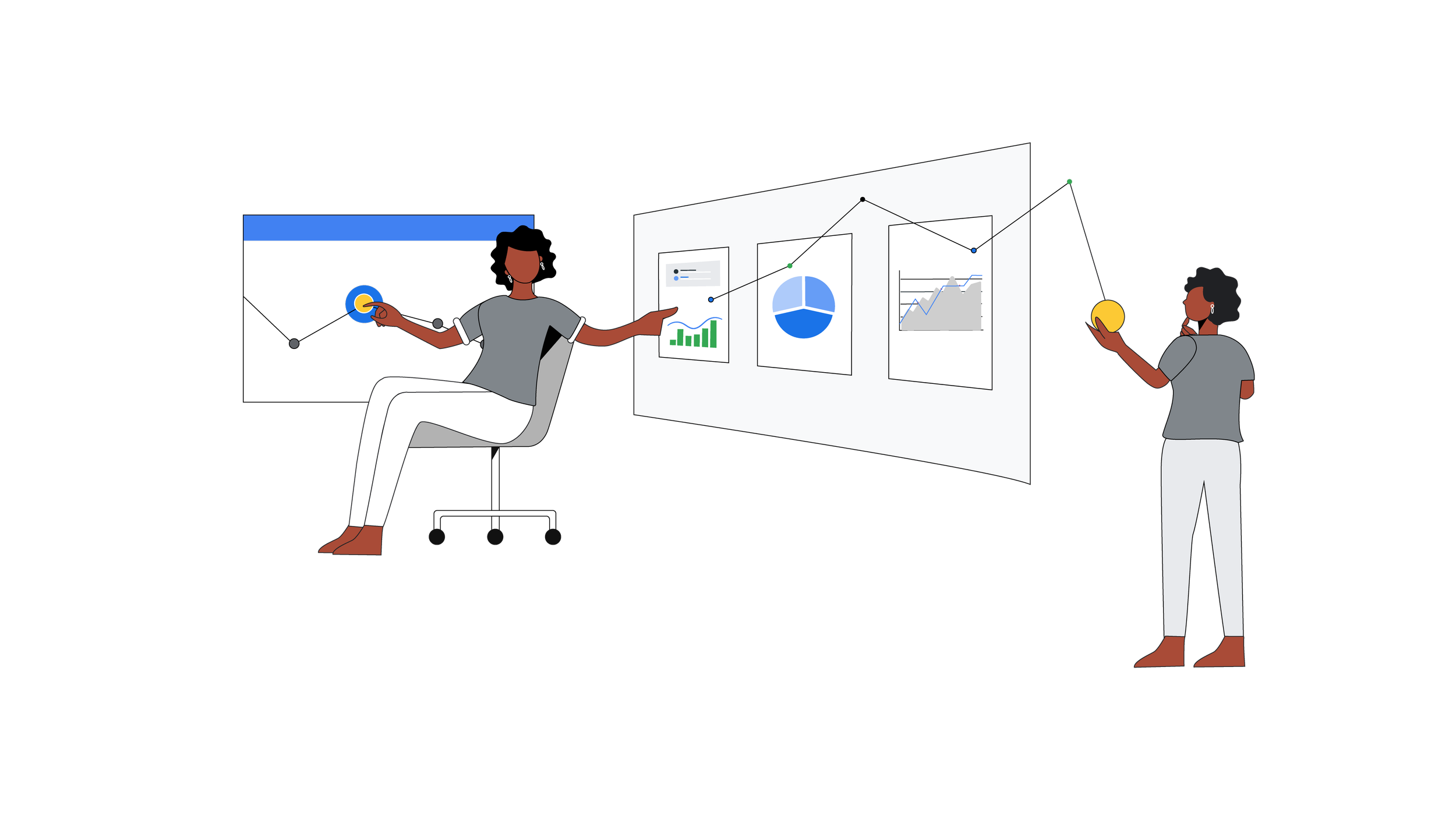
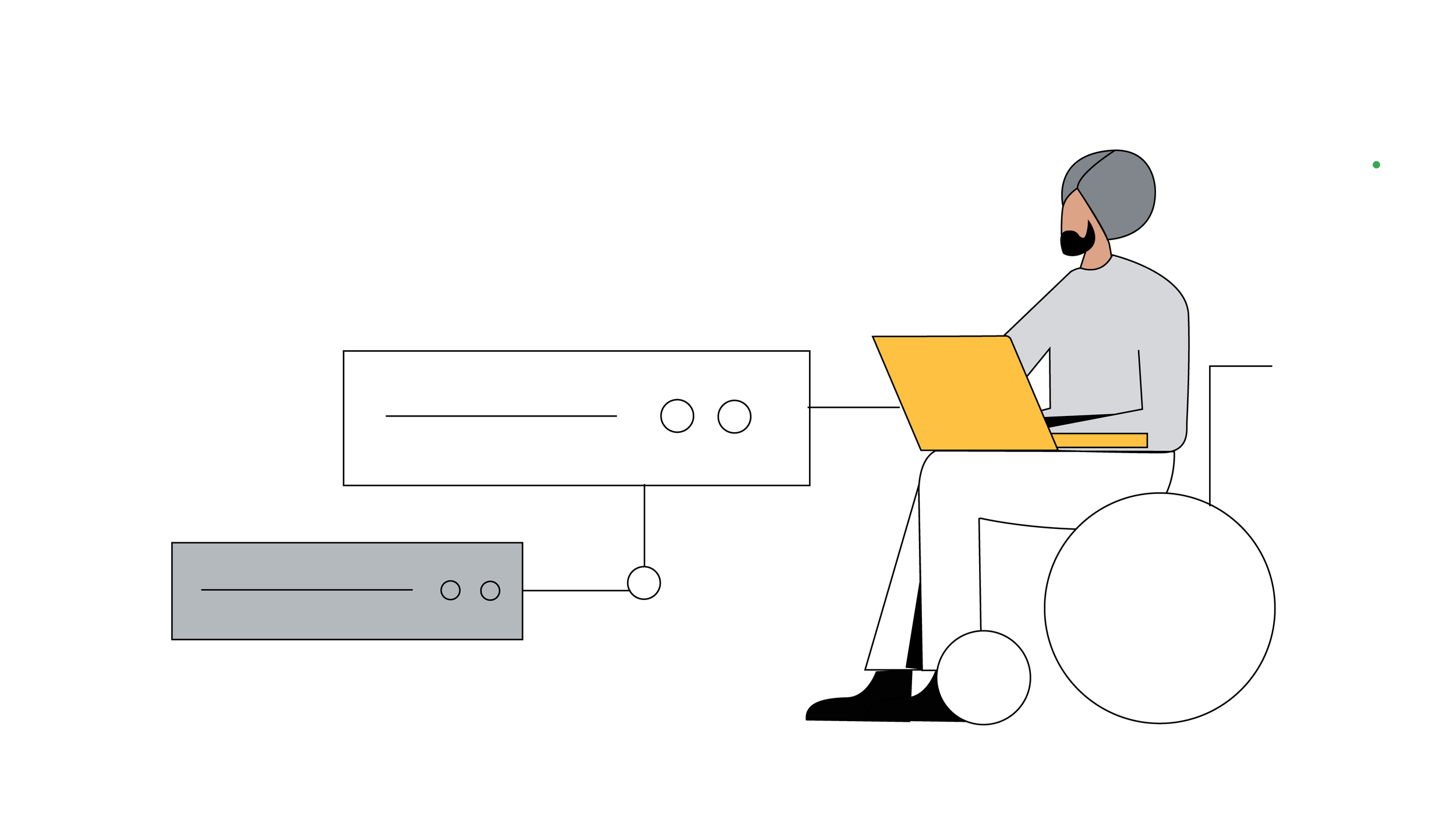
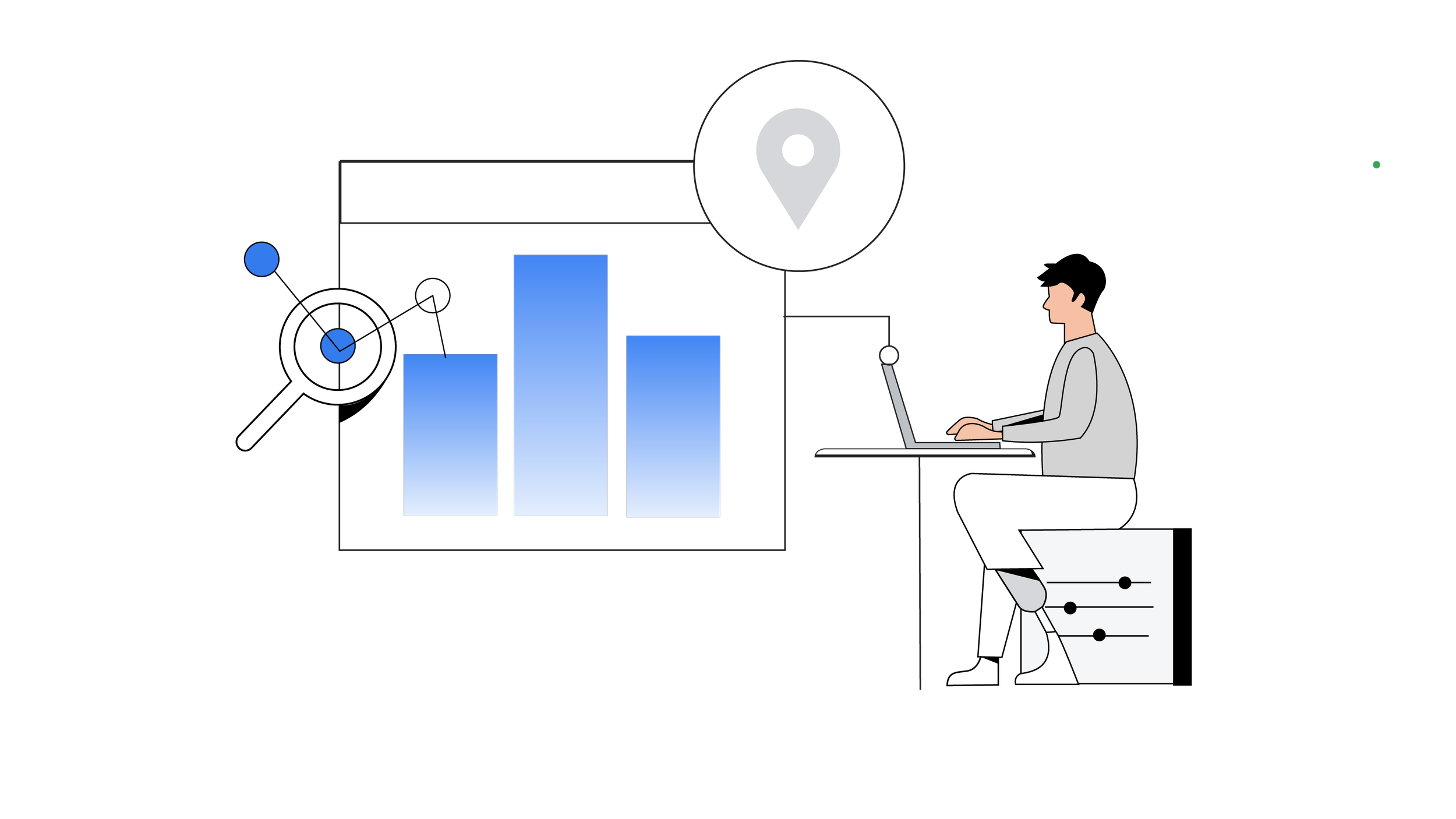
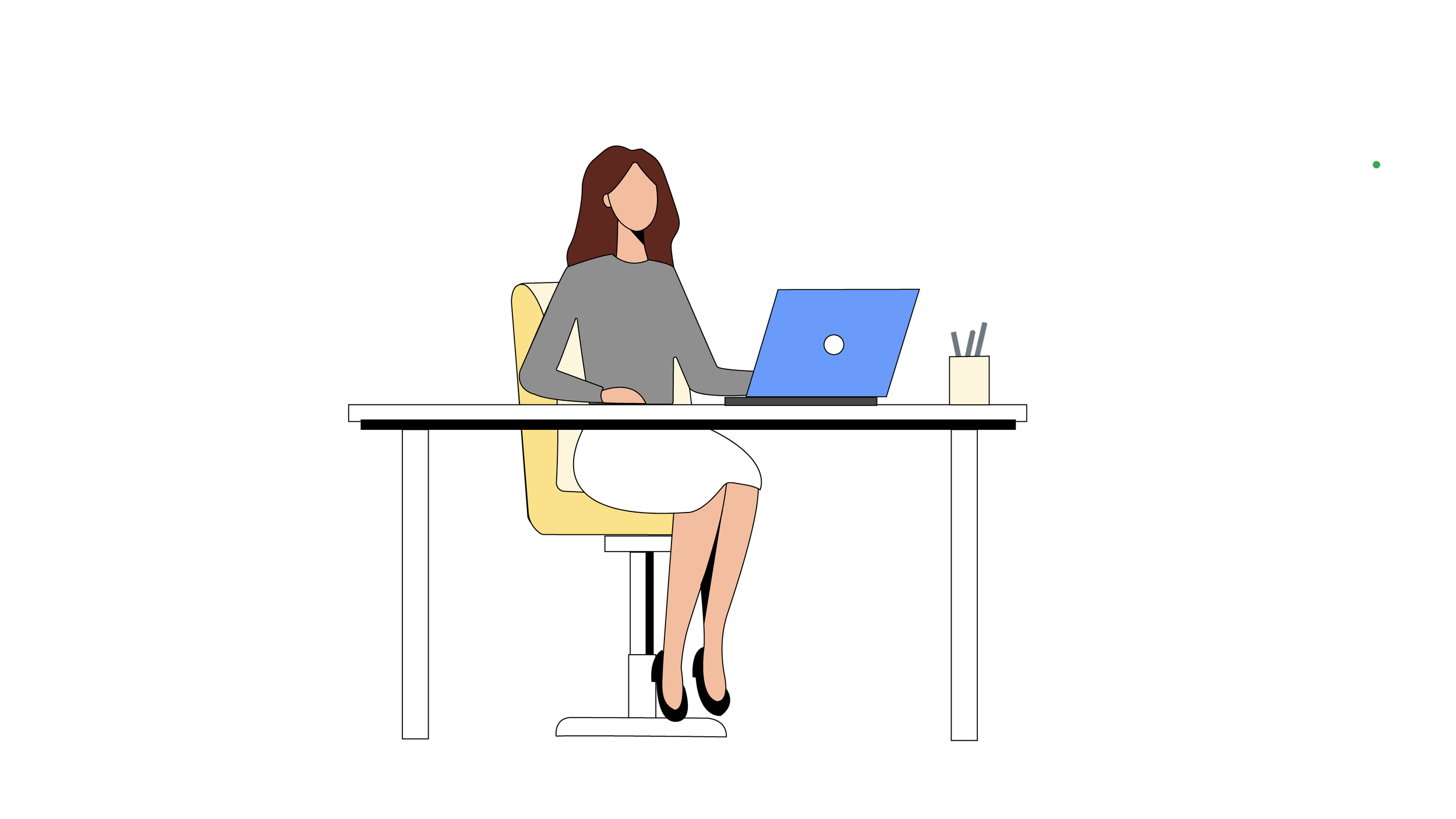
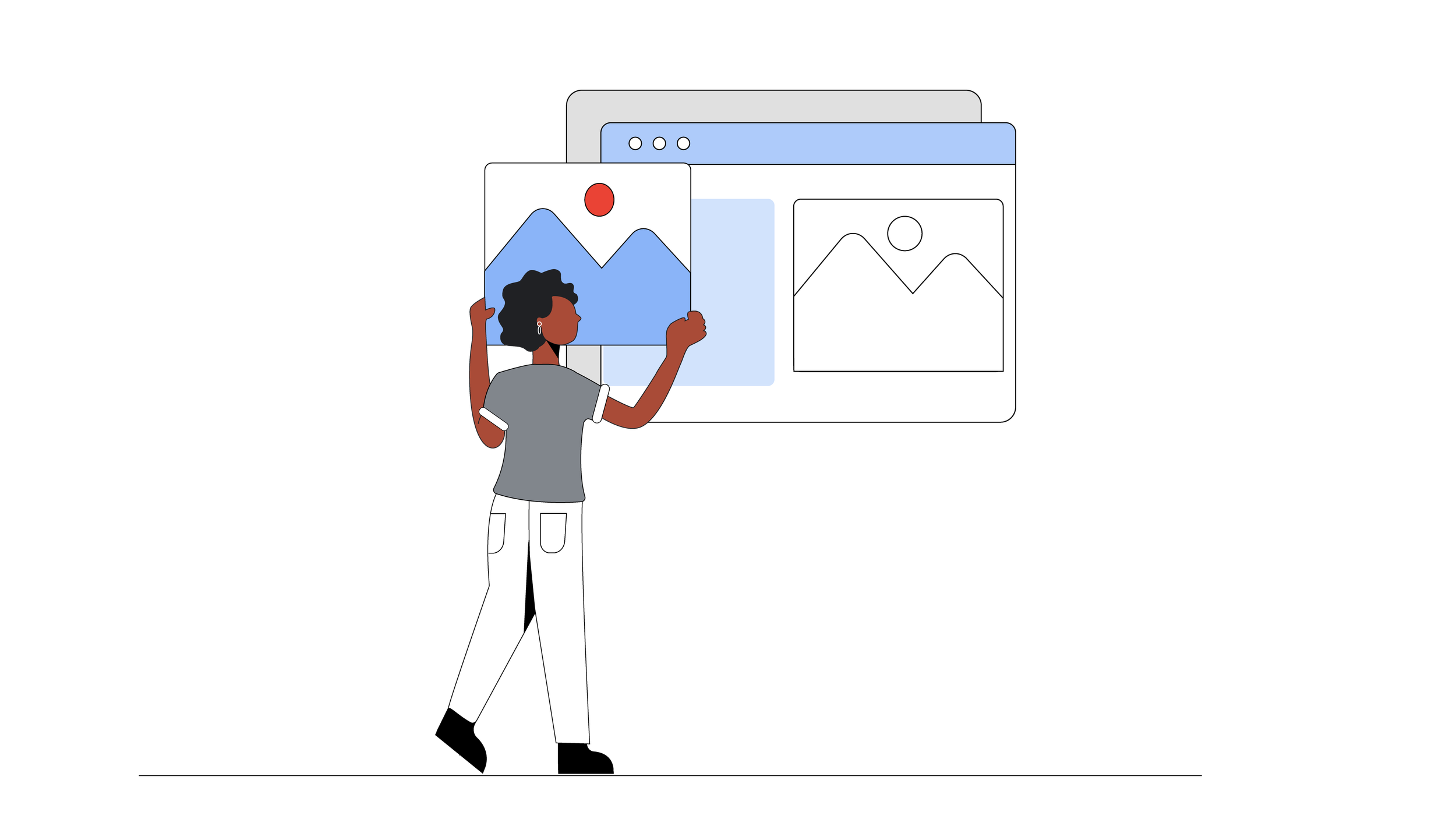
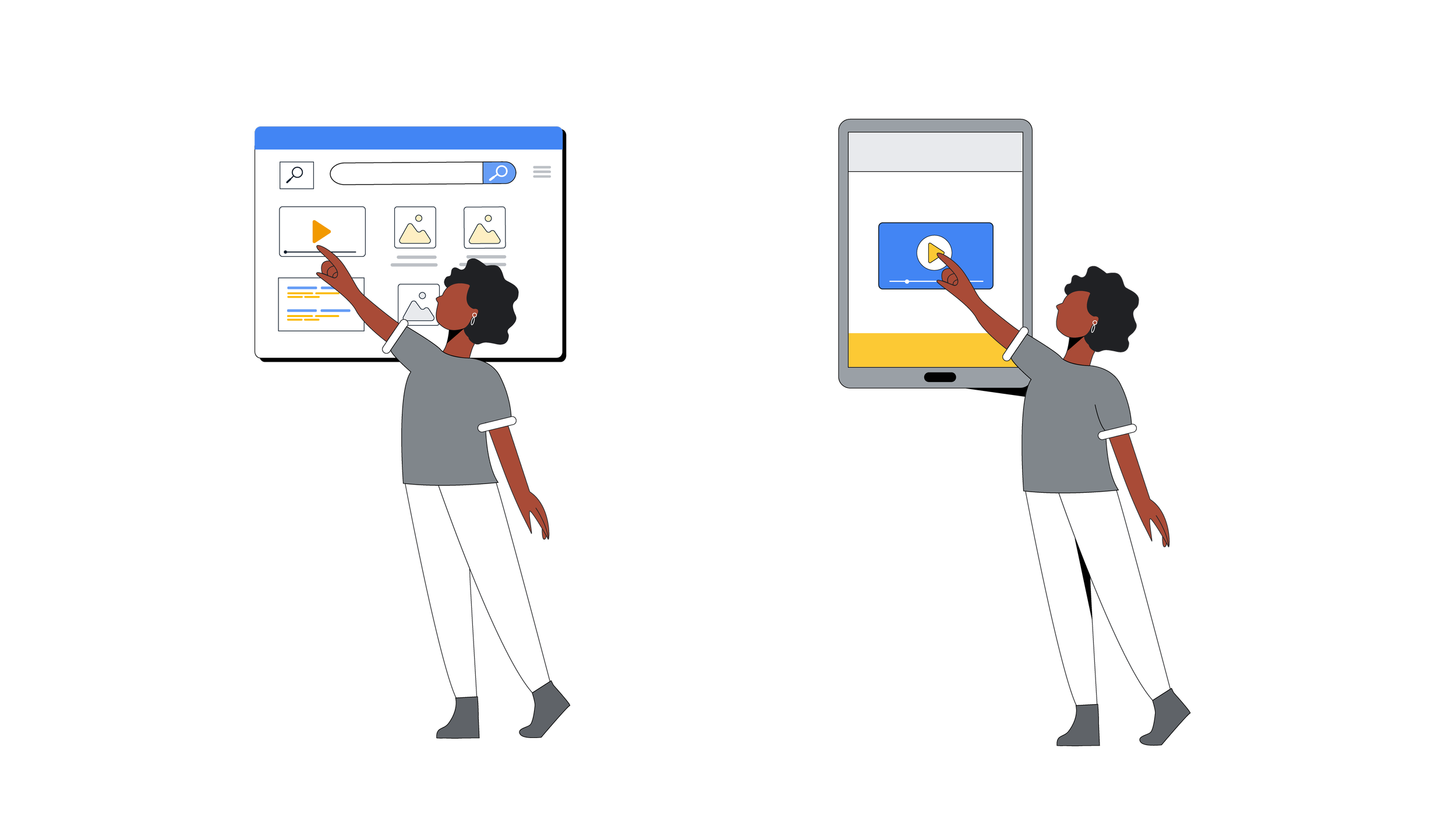
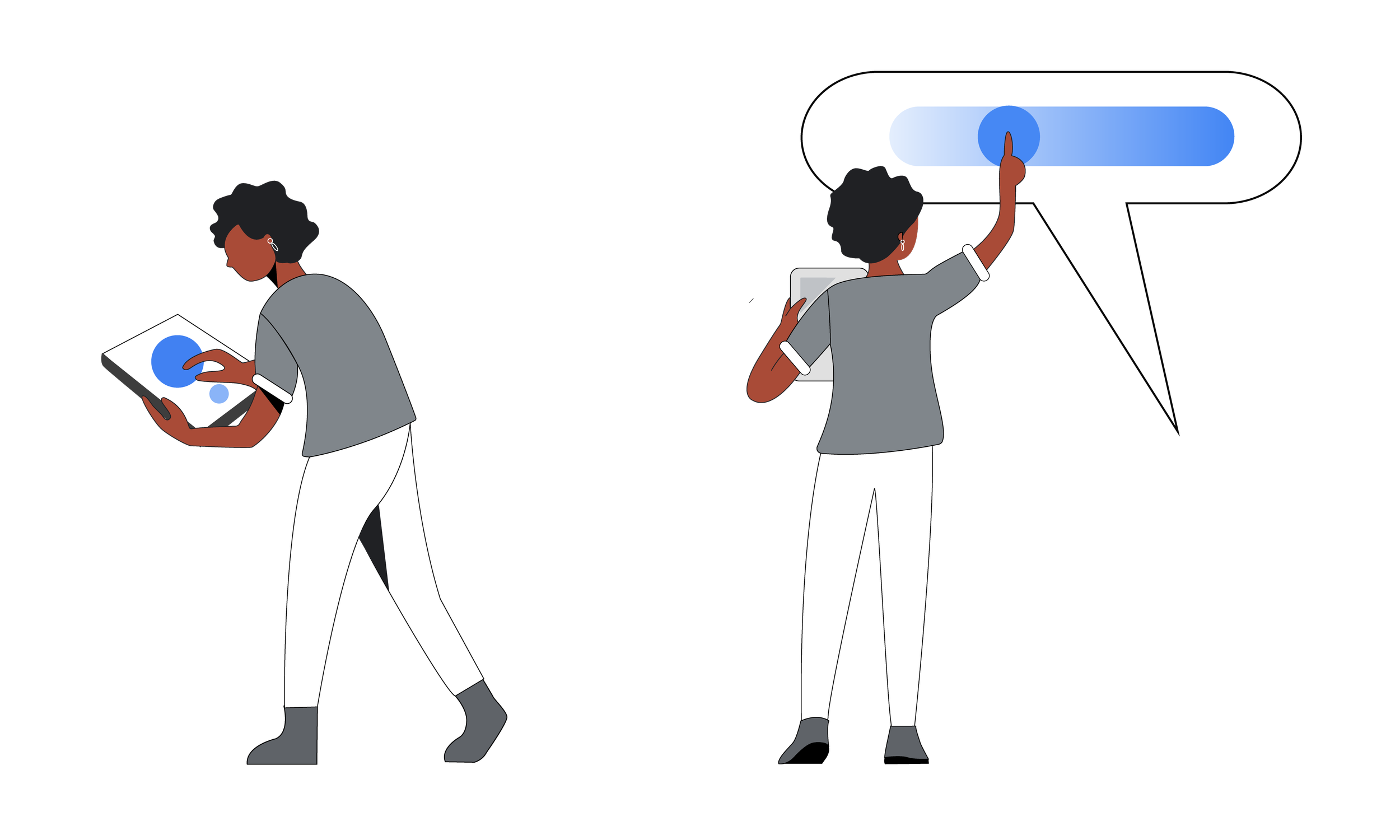
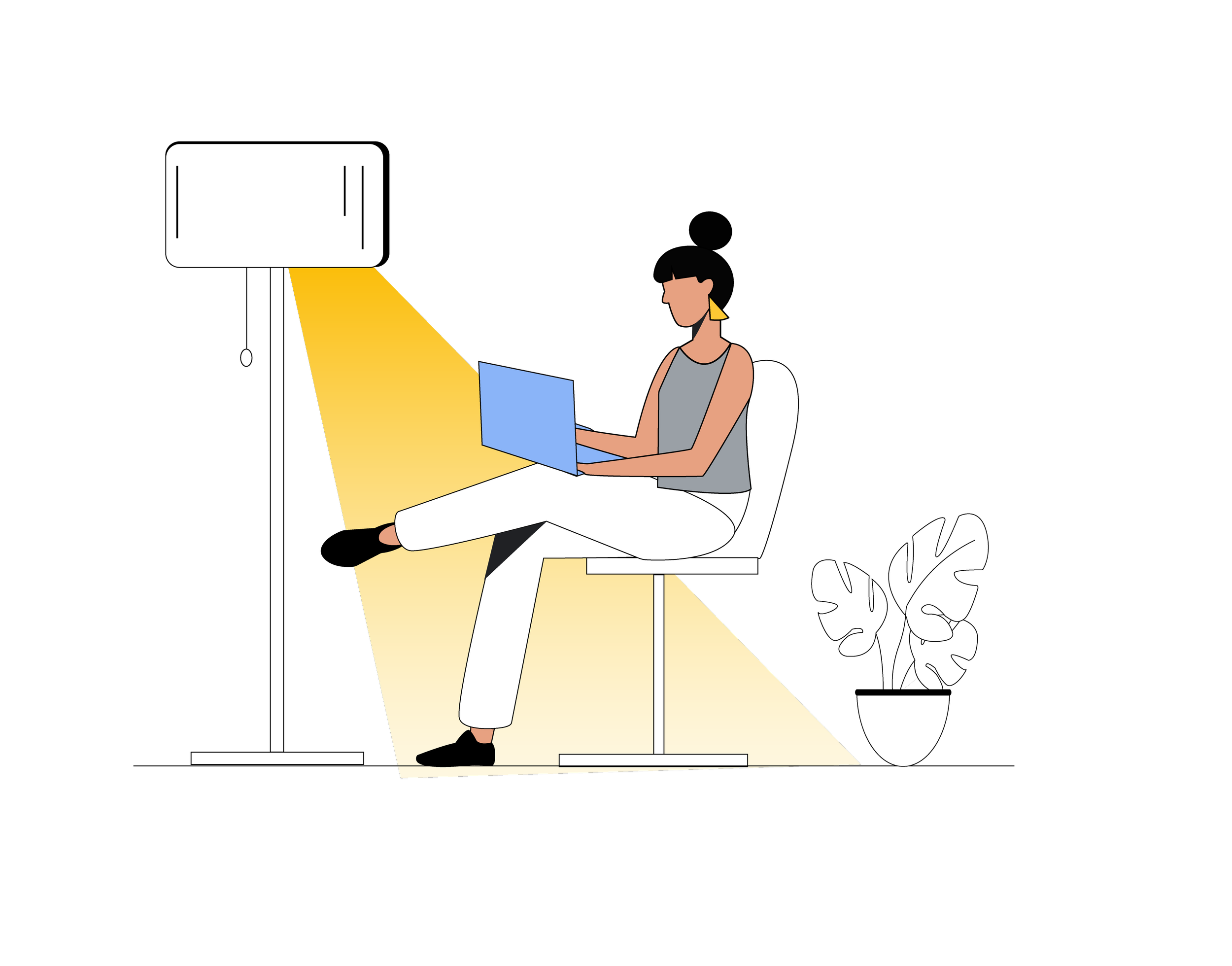
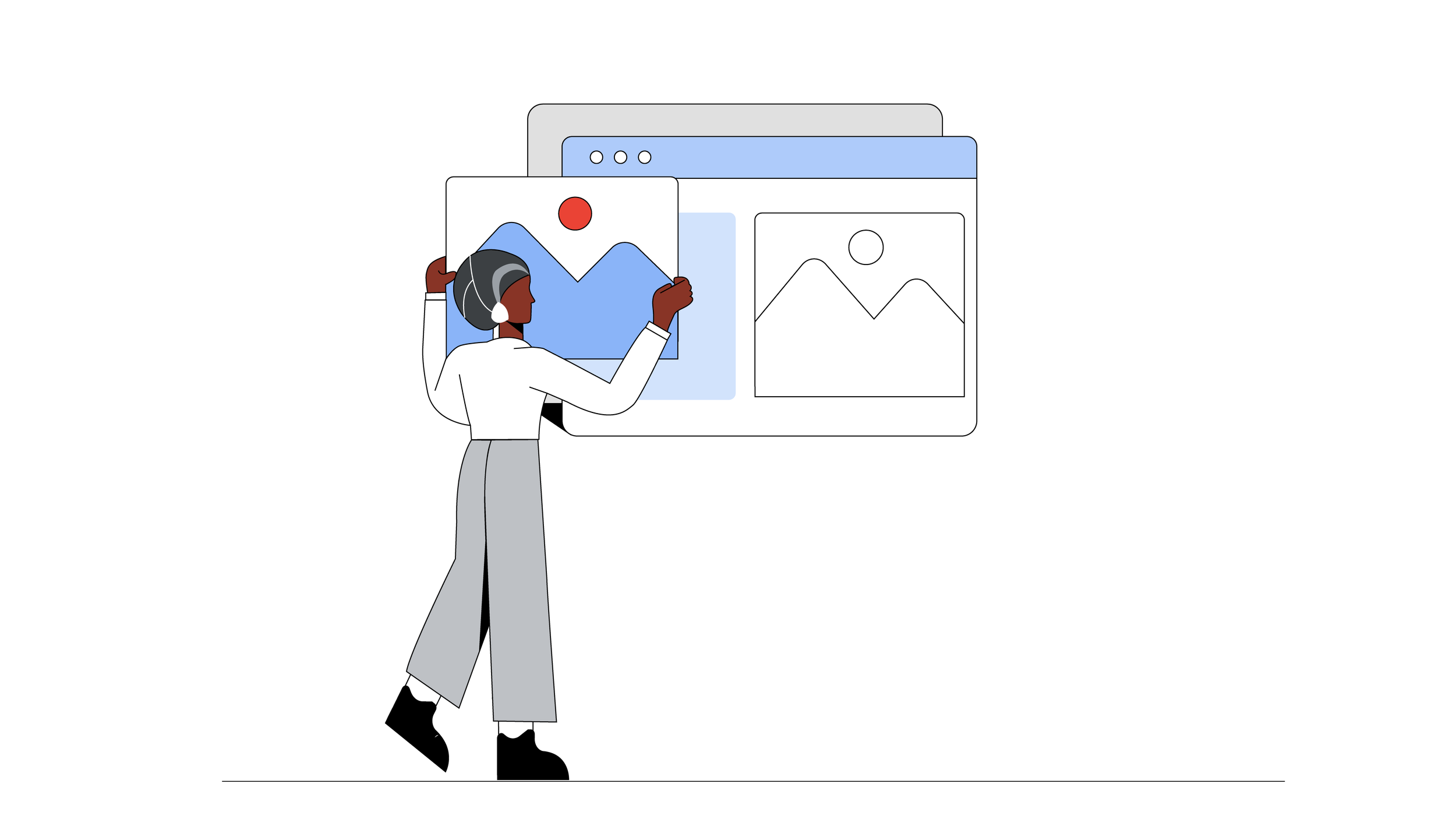
In 2022, Google Cloud pivoted to a new design language dubbed Cloudstyle. It was a sharp divergence from their previous identity, now favoring simplified line art with a geometric flow and rhythm while championing dual-toned gradient-laden color palettes.
The Google Cloud rebrand had the goal of unifying a previously sectored house of designs that Cloud had used for the past half decade. This global illustration system focused heavily on hero imagery, with collaboration filled narratives meant to connect the audience with Cloud’s incredible range of developer tools.
The Task:
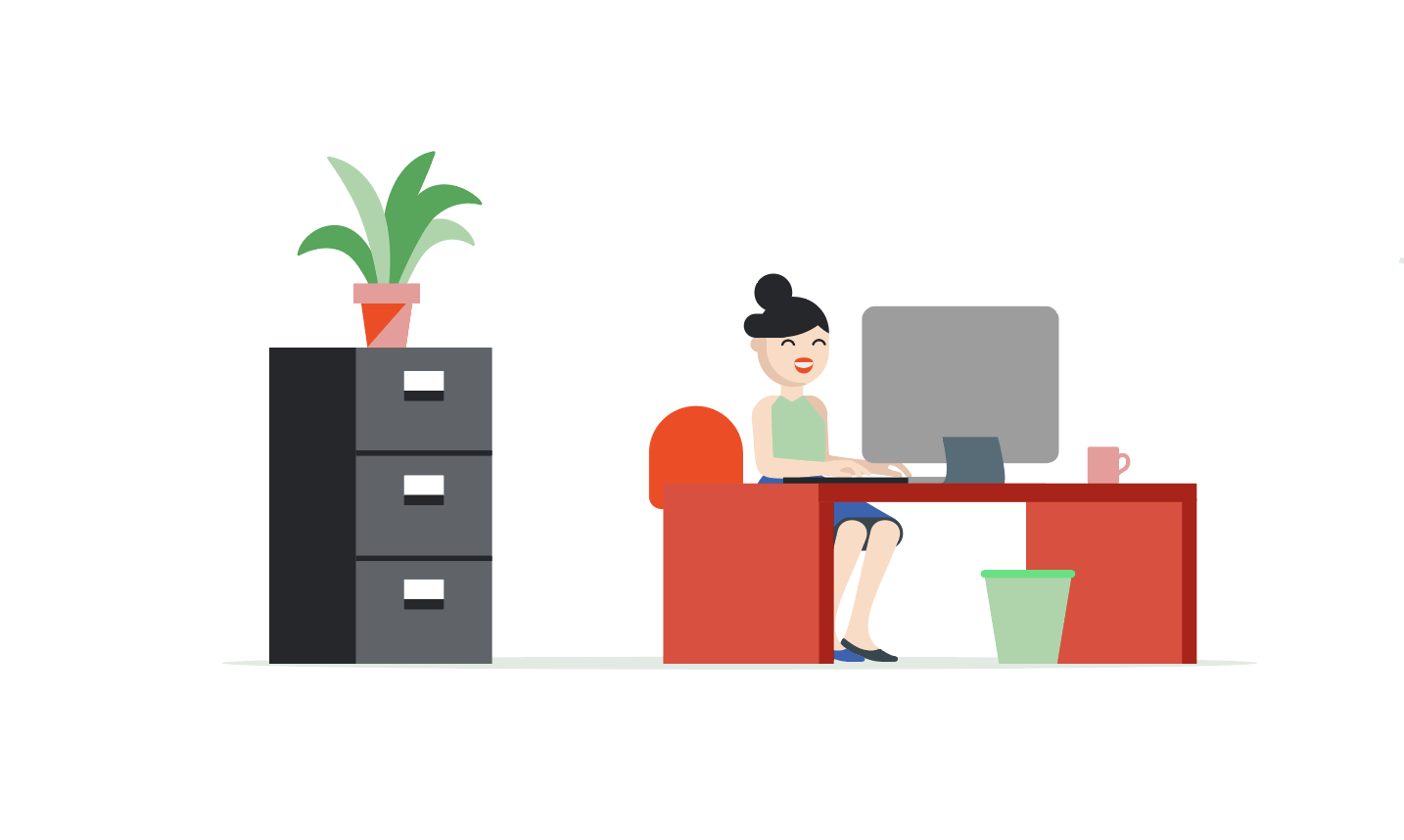
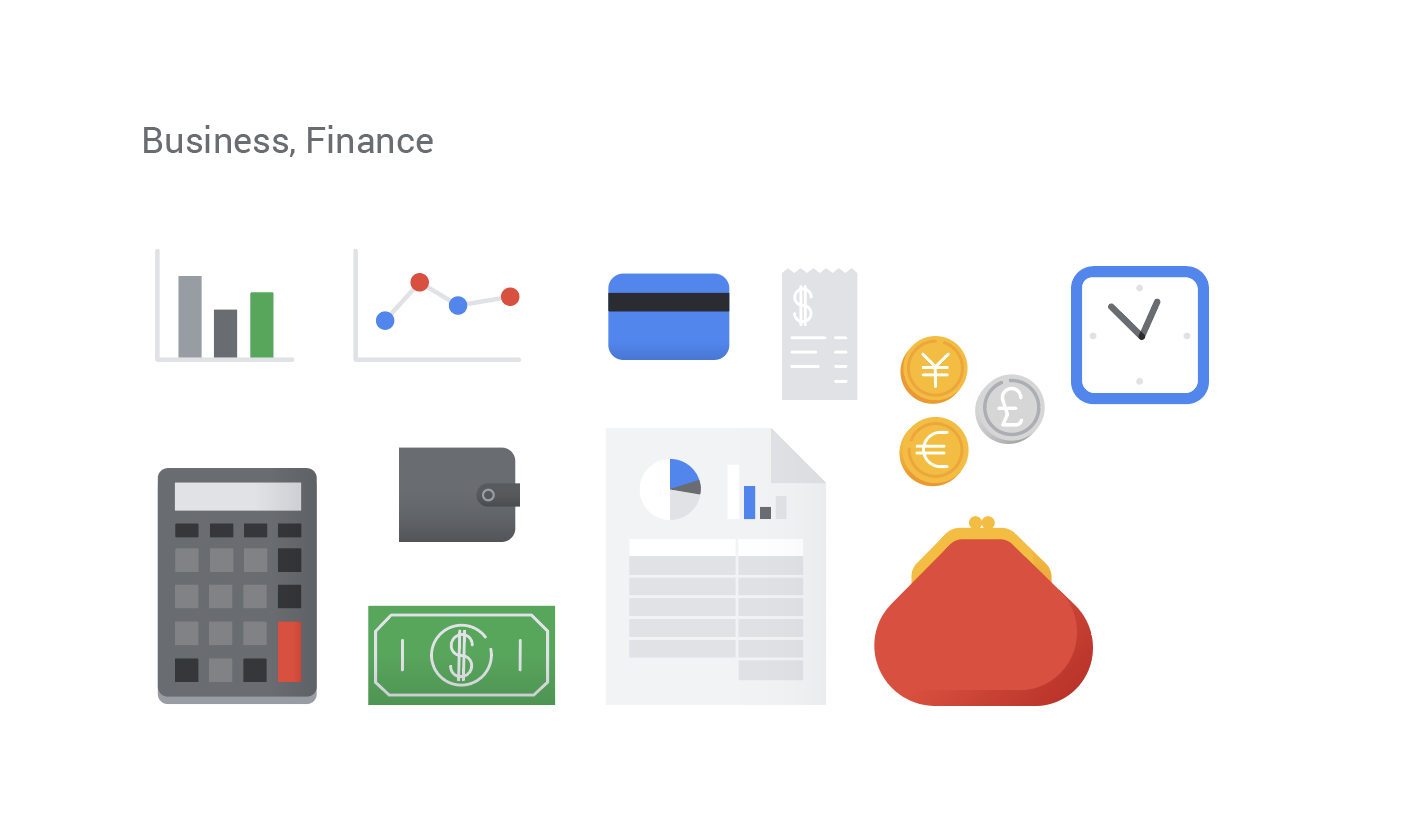
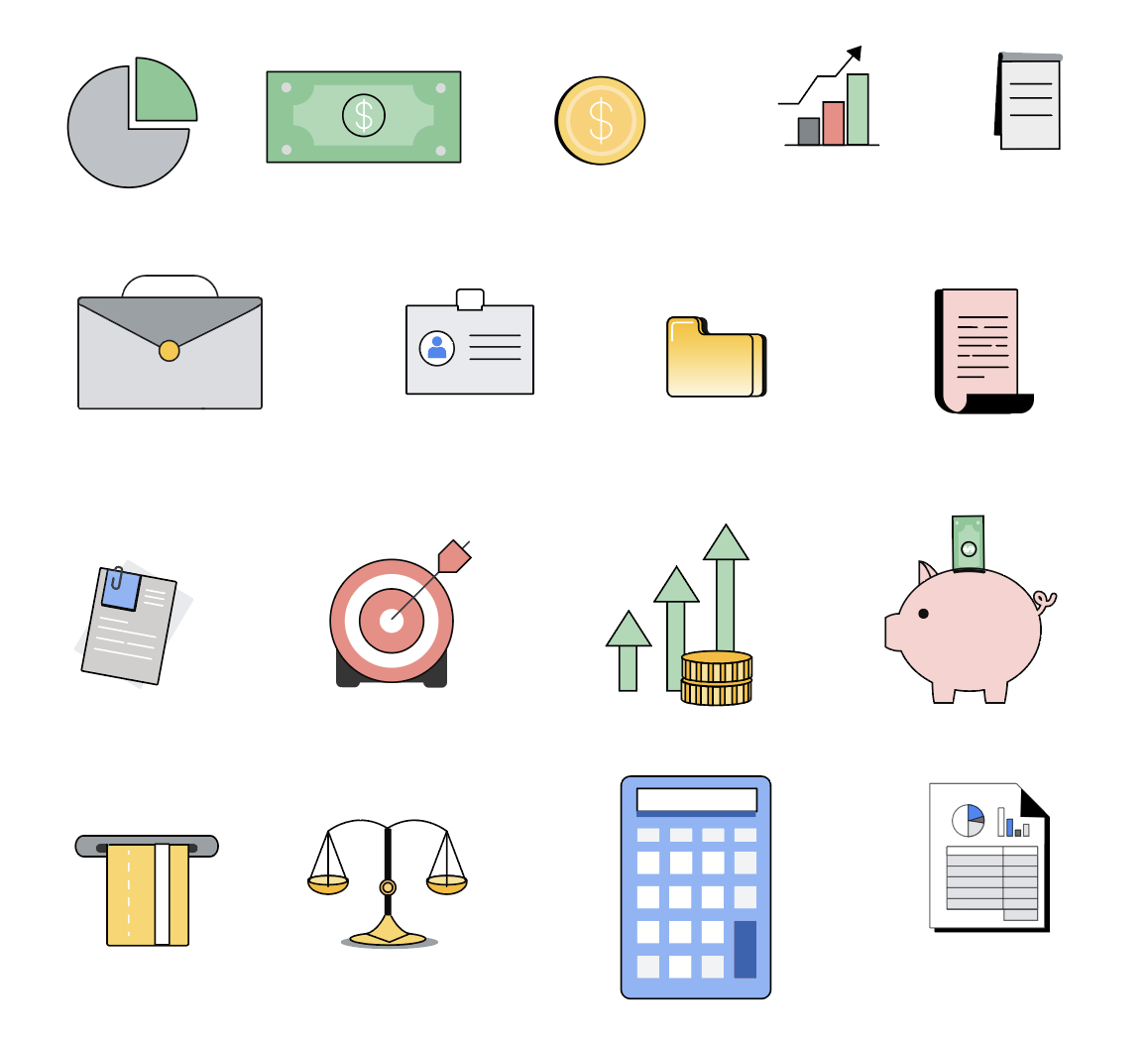
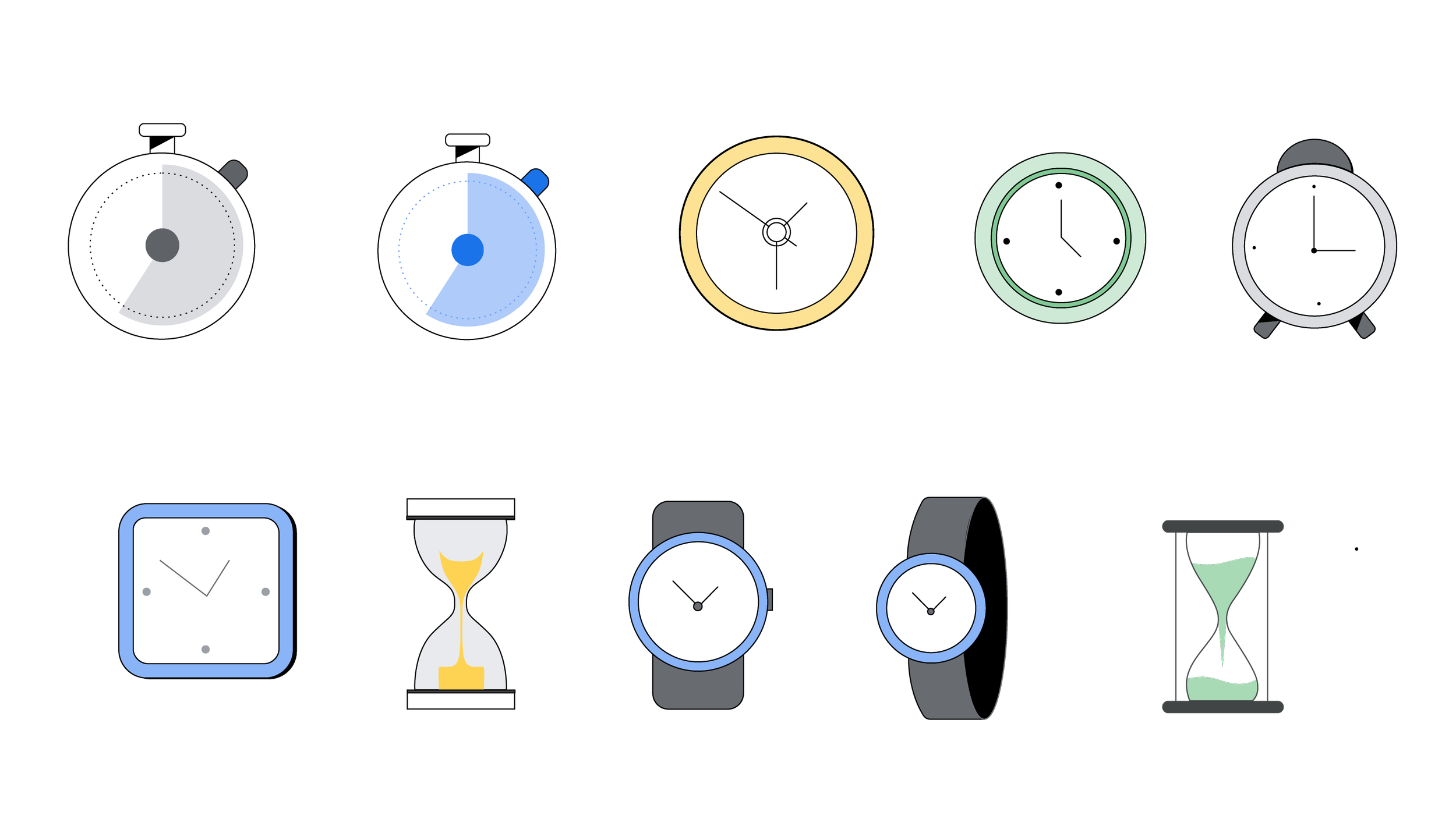
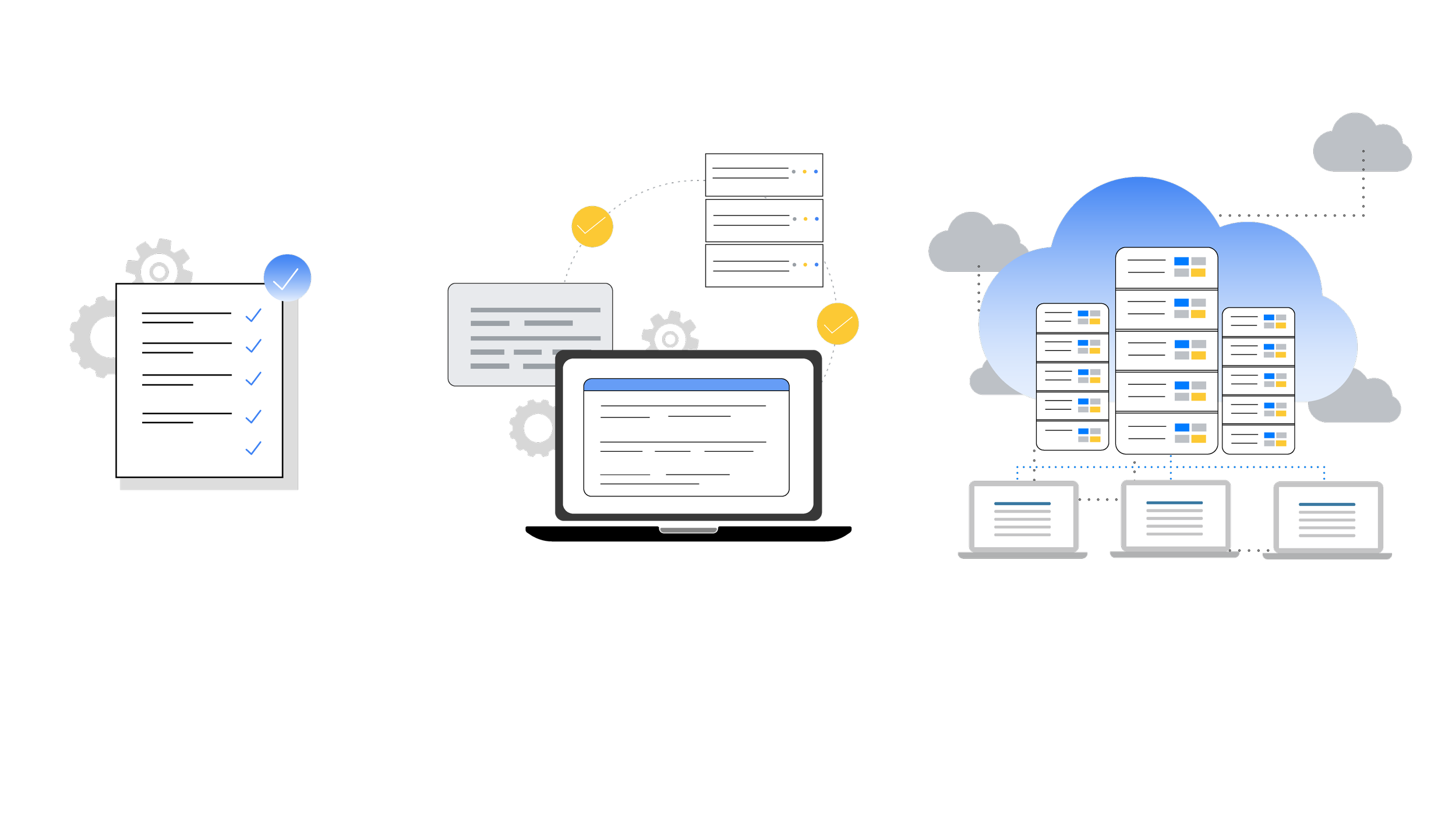
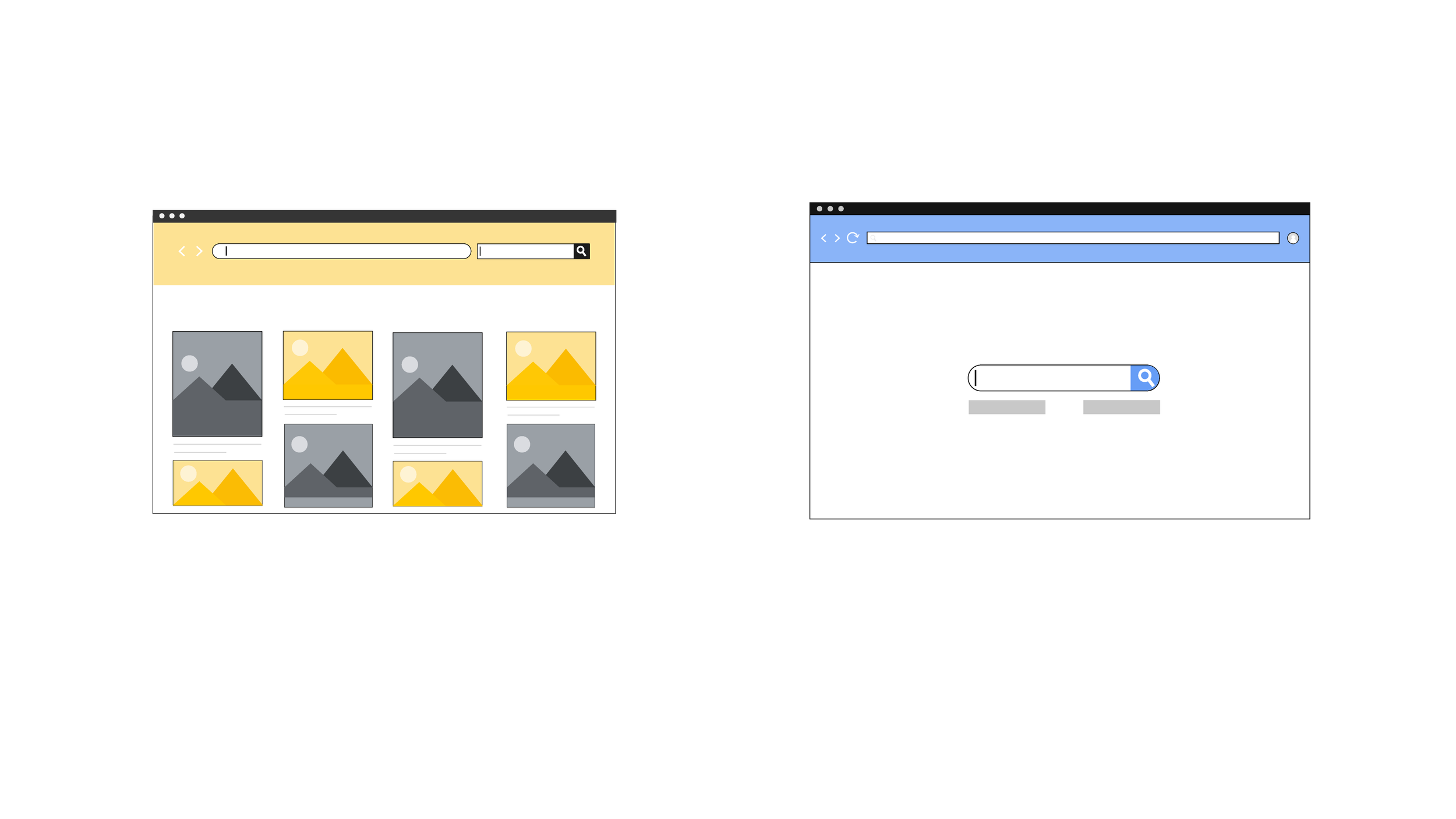
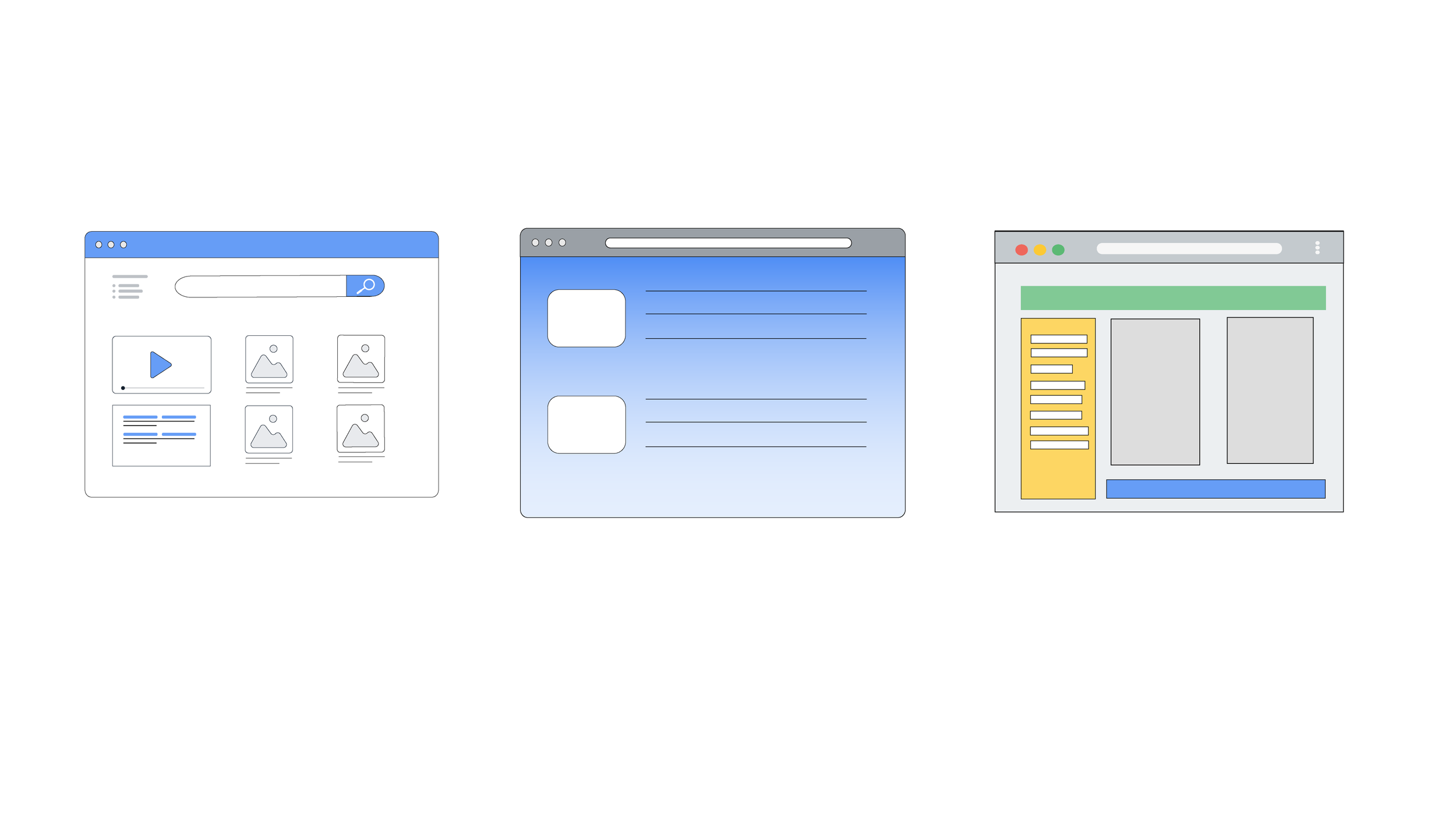
One of biggest challenges going forward was the limited suite of illustrations available at the onset of the brand launch. The Cloudstyle brand philosophy heavily focused on hero images, whereas GDS needed extremely specific assets for developers to assist in illustrating the complex backend workflows that Marketing and Google Developer Advocate (DVAs) teams needed. This required a sticker sheet that DVA’s and designers alike could use to quickly build scripts to keep up with the fast-paced production cycle.
The Project:
I lead Creative Direction of this project by creating a workflow to split the task of hundreds of icons into a ranking of the most-used assets that I observed in my previous 2 years working with GDS. Often, we utilized the previous sticker sheet to match 1:1 to assets that were used, while changing the lineup for icon sets that languished in our catalog in favor of new sets that Developer Advocates requested when I surveyed them for the project.
Due to the pressed nature of our production schedule of producing hundreds of videos a year, I often contributed illustrations as I came across gaps in the initial batch of designs while reviewing, editing and guiding the design process to best meet the team’s needs.
The process from assignment to completion took approximately 8 months.We adapted the visual language to streamline the storyboarding process, to make animations easier to complete, and to provide Google Developer Hosts with assets they could use to wireframe their requests.

Scaling for Animation:
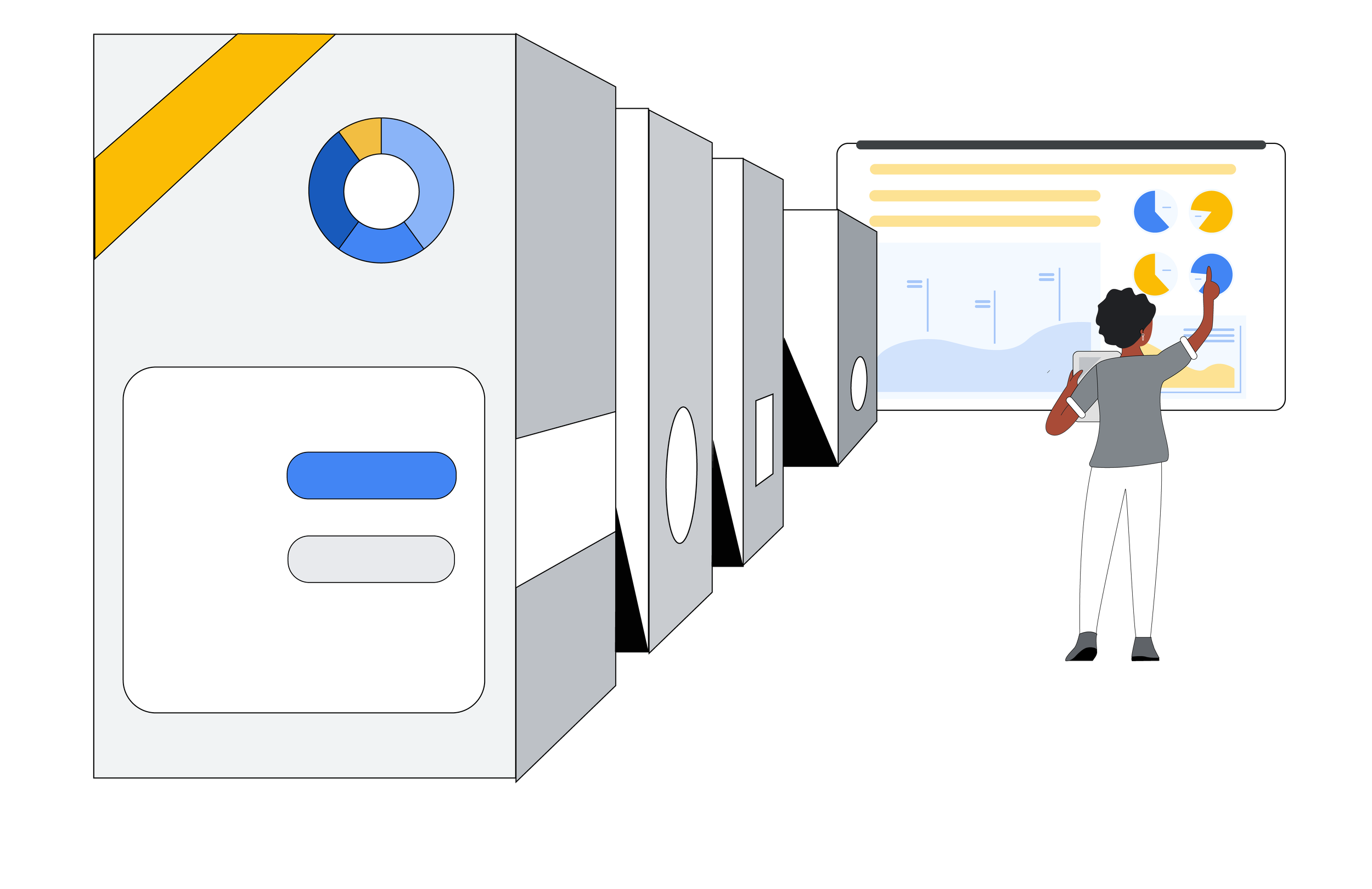
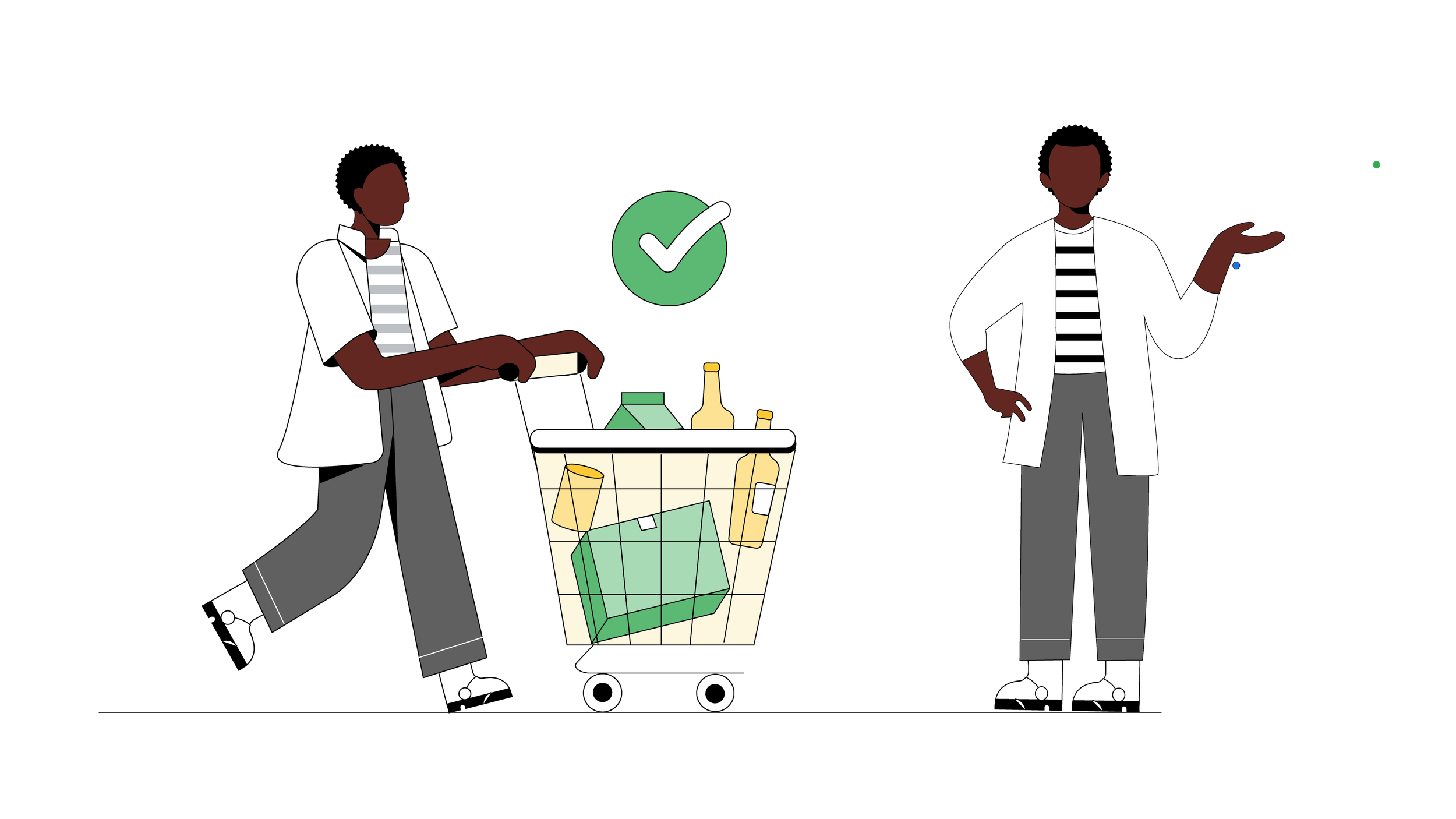
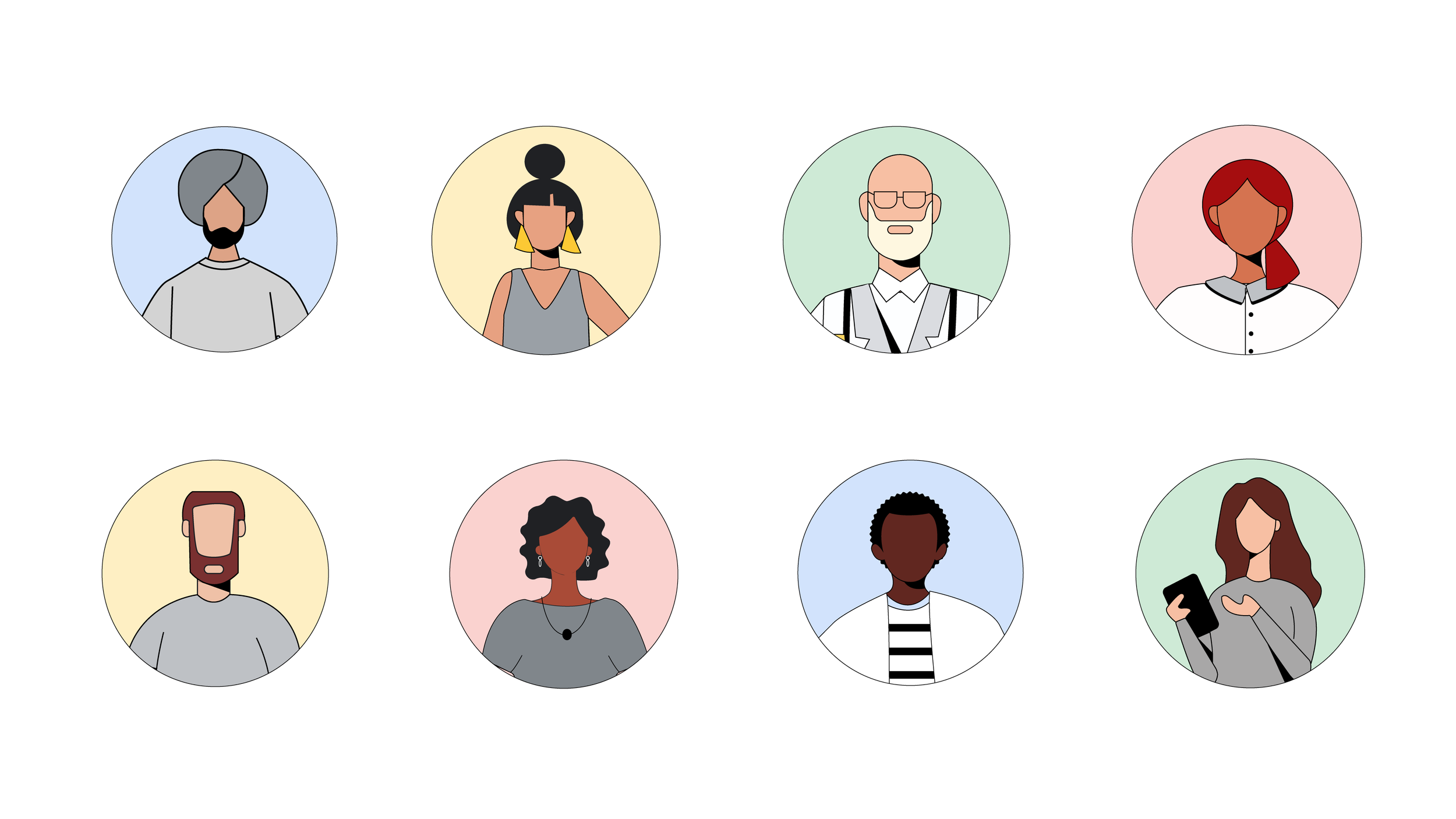
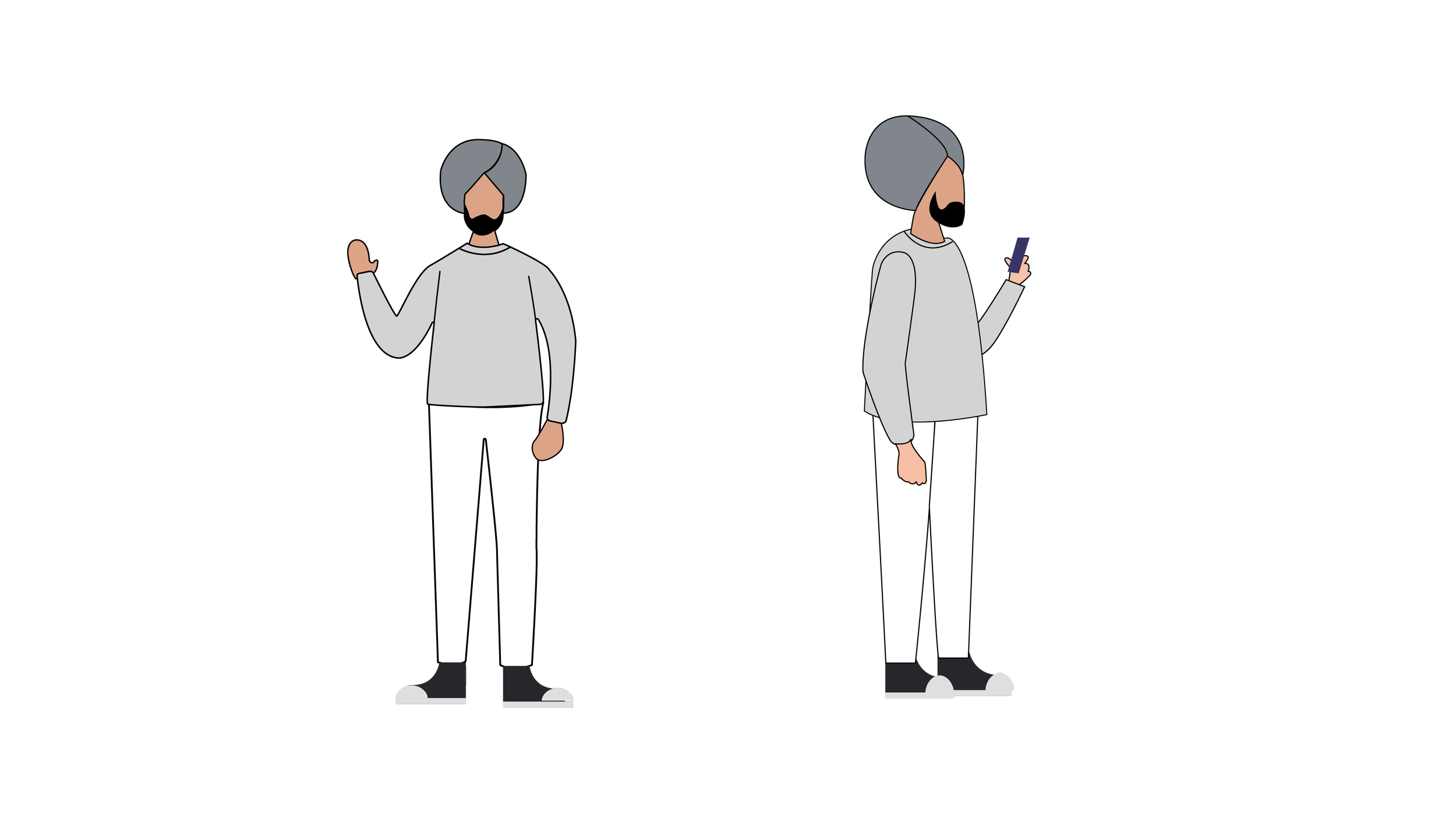
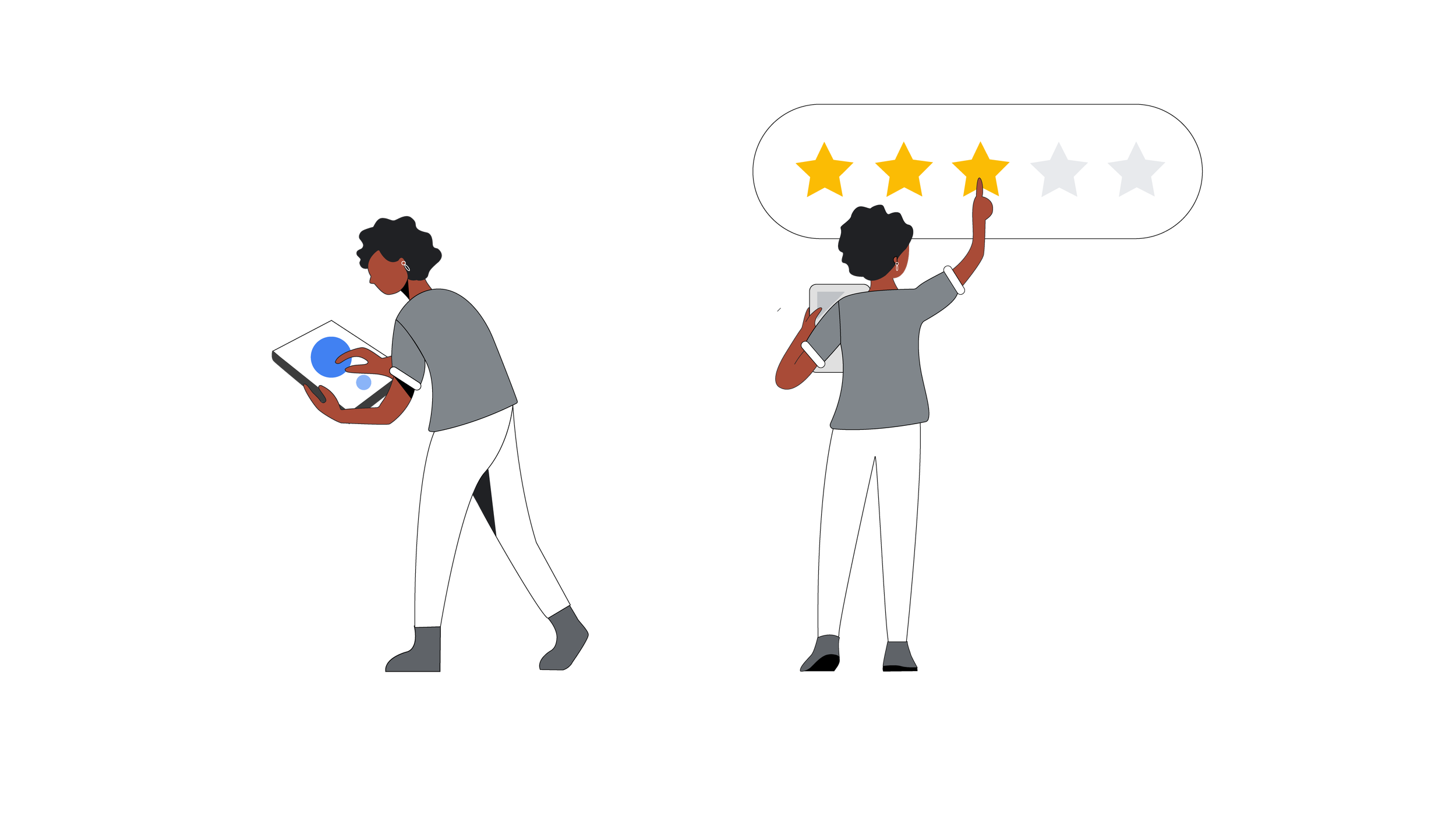
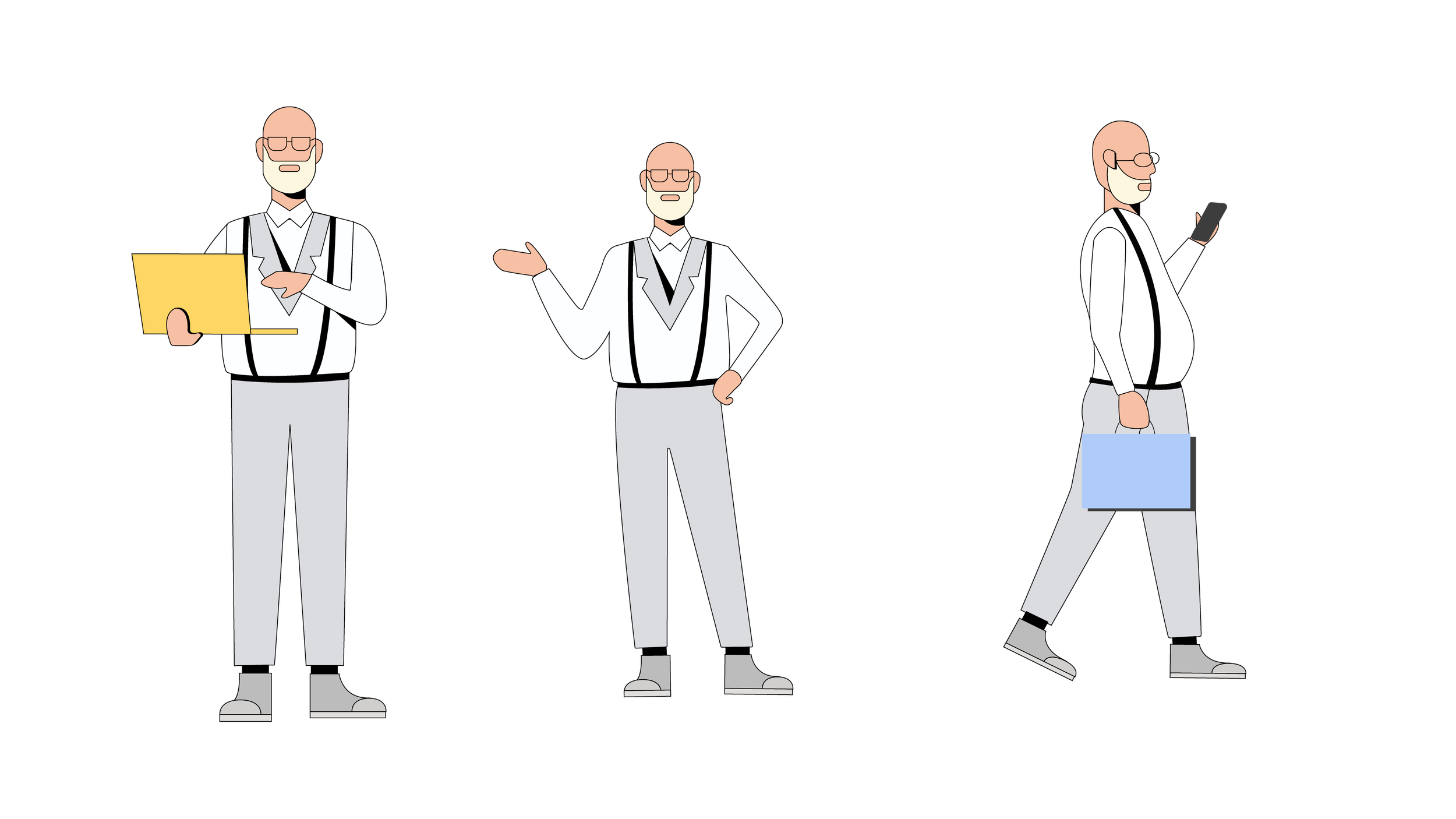
One of the biggest objectives that came with this refresh was finding ways to make the sticker sheets GDS used to be easier to animate. So we built character sheets from the ground up. Working with animators I selected a set of characters that would provide evergreen sets for faster turnaround for tween animations, along with augmenting the existing presentations that Developer Advocates were requesting.
By prioritizing these character profiles, I could adapt the team to pivot towards more advanced animation requests from producers. I hosted sessions with the illustrators and animators to make sure that cross-collaboration happened, ensuring that layers, masking and other elements made the transition from Adobe Illustrator to Adobe After Effects much more seamless.
Results:
By front-loading the most time-consuming aspect of delivering animations the team’s turnaround time decreased 15% in the first quarter of implementation, with further progress as the sticker sheet expanded. I also saw a 20% drop in last-minute unique requests from the Developer Advocates, as they now had several hundred icons to work from that catered to their needs.
The following other goals were achieved through this project:
Team collaboration: This project also unified the team in a way we previously hadn’t done since COVID. The joint workshop days gave us a chance to spitball solutions to problems either of us encountered in our workflows, and the relaxed nature of these meetings meant there was little pressure to force a solution, allowing new ideas to form organically.
Expanded toolkits: By lifting the burden of last minute requests from animation, it gave the team more opportunities to explore more impressive design solutions, while also making key stakeholders satisfied.
Improved Developer Advocate Satisfaction: DA’s universally praised the project with over 80% of producers personally thanking our team in surveys, as they were able to better write scripts and storyboard their event presentations with fewer production delays from more elaborate requests.